

Often seen as a troublesome weed, dandelion is a nutritional powerhouse with a long history as a food as well as an herbal medicine. Every part is edible and has huge nutritional benefits.
The healing power of dandelion: a full plant herbal ally. From supporting liver health to boosting digestion and providing antioxidants, this humble weed has been a trusted remedy and healthful food all over the world!
Dandelion Roots: Detoxifying and Digestive Support
The roots of the dandelion are perhaps the most well-known for their medicinal properties. Traditionally used as a liver tonic, dandelion root stimulates bile production, which helps the liver process toxins more efficiently. This makes it a common ingredient in detox teas and herbal supplements aimed at cleansing the liver and gallbladder.
Dandelion root also supports digestion. By encouraging bile flow, it helps break down fats and enhances nutrient absorption. It’s often used to relieve constipation and mild digestive issues. Rich in inulin, a type of prebiotic fiber, dandelion root also supports healthy gut bacteria, which plays a key role in immunity and metabolism.
How to use: grab the dandelion from the base as close to the ground as possible. Wiggle back and forth and pull up. It has a long “taproot” that goes deep to absorb nutrients from the soil. Wash and chop. It can be cooked like carrots, or simmer in hot water for a liver detox tea. Taken before meals, it stimulates bile production and digestive enzymes. It has an earthy taste, adding a peppermint tea bag can improve the taste and this also helps digestion.
**********************************************************************************************
Dandelion greens: The ultimate “spring greens”. A nutritional powerhouse and a time-tested medicinal food, rich in vitamins A, C, and K, as well as calcium, potassium, and iron, making them supportive for bone health, immunity, and red blood cell function. Their high levels of bitter compounds stimulate digestion by promoting bile flow from the liver and gallbladder, which can help with fat metabolism and overall gut health. Traditionally used in herbal medicine, dandelion greens act as a gentle diuretic—helping reduce water retention without depleting potassium—and they contain antioxidants that combat oxidative stress. They may also support liver detoxification pathways and help regulate blood sugar levels, making them especially valuable in metabolic and liver-supportive diets. Most supermarkets sell these in the produce section in springtime. Save your money and go collect your own! Eat locally!
How to use: Cut or pull off leaves and chop into a salad. Can be cooked liked spinach. Especially good with sauteed garlic.
**********************************************************************************************
Dandelion flowers: These are both nourishing and medicinal, containing antioxidants like flavonoids and polyphenols that help protect cells from oxidative stress and support overall immune health. They provide small amounts of vitamins A and C and have traditionally been used to support liver function and gentle detoxification, similar to the greens but milder in action. The flowers are known for their anti-inflammatory properties and have been used in herbal remedies to soothe the skin (as infused oils or salves) and support digestive health. They may also have mild diuretic effects and are sometimes used in teas, syrups, or fermented preparations like dandelion wine, offering a subtle, pleasant way to incorporate their benefits into the diet.
How to use: Raw, the bright yellow petals (it’s best to pull them away from the bitter green base) can be sprinkled over salads, yogurt, or oatmeal for a mildly sweet, honey-like flavor and a pop of color. You can also blend the petals into smoothies or stir them into soft cheeses or butter for a floral twist. Some people use whole young flowers in salads, but keep in mind the base of the flowers (green parts) can taste slightly bitter.
Cooked, the flowers become softer and more savory. A popular method is to dip whole flower heads in a light batter and pan-fry them like fritters. (My personal favorite!) You can also sauté the petals with eggs, add them to pancakes or muffins, or infuse them into honey, syrups, or tea. Another traditional option is making dandelion flower wine or jelly, which highlights their gentle sweetness.
Just be sure to harvest from areas free of pesticides, heavy auto traffic (fumes) and doggie waste. Give them a gentle rinse before using.
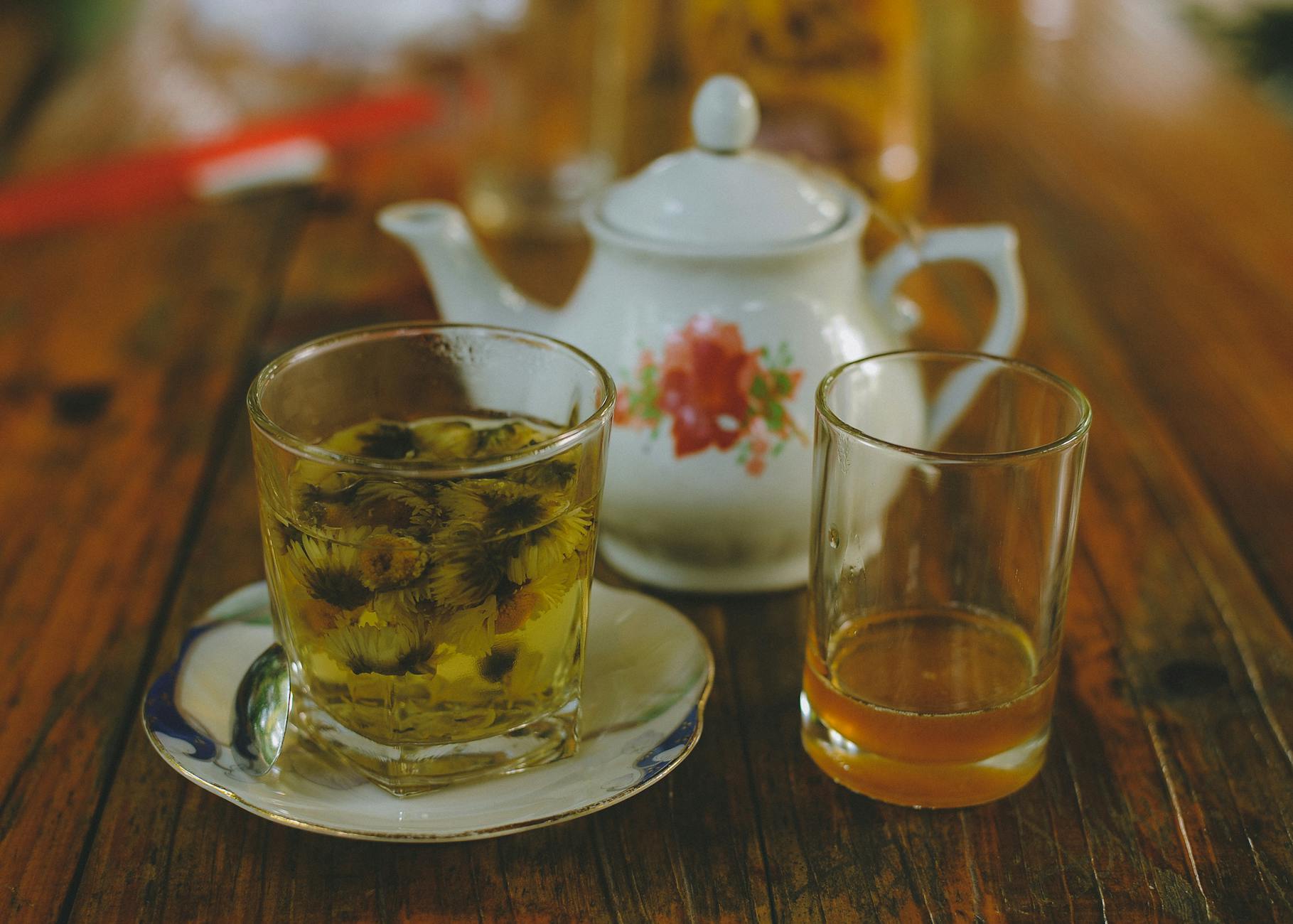
Dandelion flower tea is a nutrient-dense, caffeine-free beverage rich in antioxidants (polyphenols) and vitamins A, C, and K. So simple. Pour boiling water over flowers. This is packed with polyphenols and beta-carotene, which fight oxidative stress, reduce inflammation, and protect cells from damage. It just feels like you are doing something good and healthy for your body. To decrease bitterness, remove the green base and just use the petals.
Here’s some guidance to get started adding this lowly but nutritious weed to your springtime menu:
swirlsofflavor.com/grandmas-dandelion-soup/#recipe
learningandyearning.com/dandelion-flower-fritters/
backwoodsmama.com/dandelion-flower-butter-cookies
https://www.allrecipes.com/recipe/49713/dandelion-salad/
https://www.savoringitaly.com/dandelion-greens/#recipe
https://www.herbalrev.com/blogs/recipes/dandelion-fries
https://www.growforagecookferment.com/dandelion-vinegar/
https://www.smallfootprintfamily.com/dandelion-salad-pecan-vinaigrette
https://thenerdyfarmwife.com/12-things-to-make-with-dandelion-flowers/

Dandelion is pretty easy to identify. If you want to really make sure you have the correct plant, read this:
SOURCES
https://pubmed.ncbi.nlm.nih.gov/37446683/
https://pubmed.ncbi.nlm.nih.gov/35405251/
https://pubmed.ncbi.nlm.nih.gov/36029509/
https://www.sciencedirect.com/science/article/abs/pii/S1756464619302683
https://hort.extension.wisc.edu/articles/dandelion-taraxacum-officinale/
https://www.mdpi.com/1424-8247/18/7/990


 Naturally Renewed
Leave a comment