

Being prepared with your favorite remedies for simple, common accidents or injuries can give you peace of mind to treat any unexpected issue as quick as possible.
*I am not affiliated with Amazon or any particular supplement company, but I sometimes recommend products based on medical studies, consumer reviews or personal use.
Accidents and injuries can occur anywhere – in your house or yard, at the workplace, while driving, while participating in sports events, hiking, camping or other travel. It is wise to be prepared for such medical emergencies.
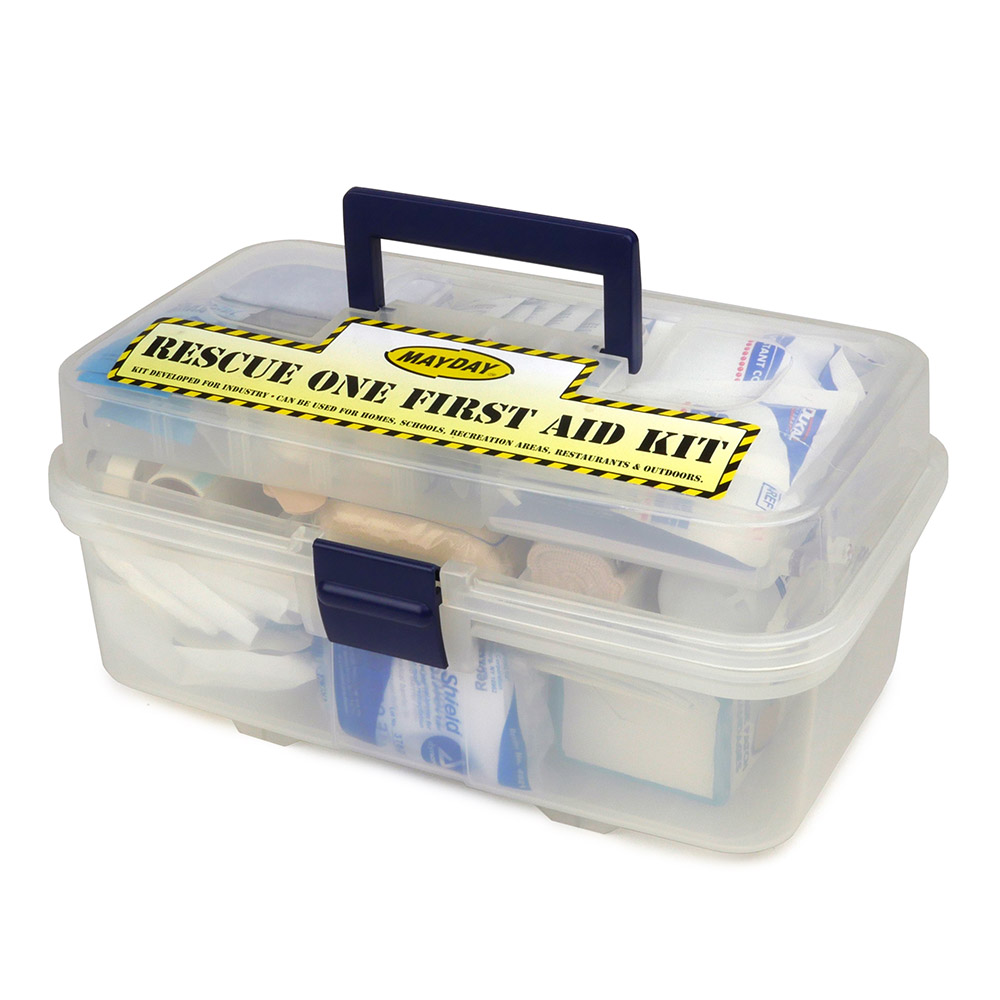
Keeping a first-aid kit at home, in the office, in your car or backpack can help you respond effectively to common injuries and emergencies. Along with the following recommendations for natural remedies, keep traditional first aid supplies on hand as well. Familiarize yourself with basic first aid through a local class or read through a book such as The American Red Cross First Aid and Safety Handbook.
First Aid Essentials
• Adhesive bandage strips: Various sizes, including butterfly closure bandages
• Alcohol: Small plastic bottle for removing poison oak/ivy oils from the skin
• Bandage materials: Sterile gauze pads, a roll of gauze, adhesive bandage tape
.• Cosmetic clay: With drying and drawing properties, clay is useful for healing skin rashes and insect bites. Store in a small plastic container
• Elastic bandage: For sprains or strains
• Electrolyte replacement: Powdered drink replacement such as Dr. Berg’s travel size electrolyte packets
• Moleskin: Blister treatment
.• Scissors: Small pair for cutting bandages, adhesive tape, moleskin
• Thermometer: Instant-read type
• Tweezers: For removing ticks and splinters
.• Waterless hand sanitizer: Travel-size bottle
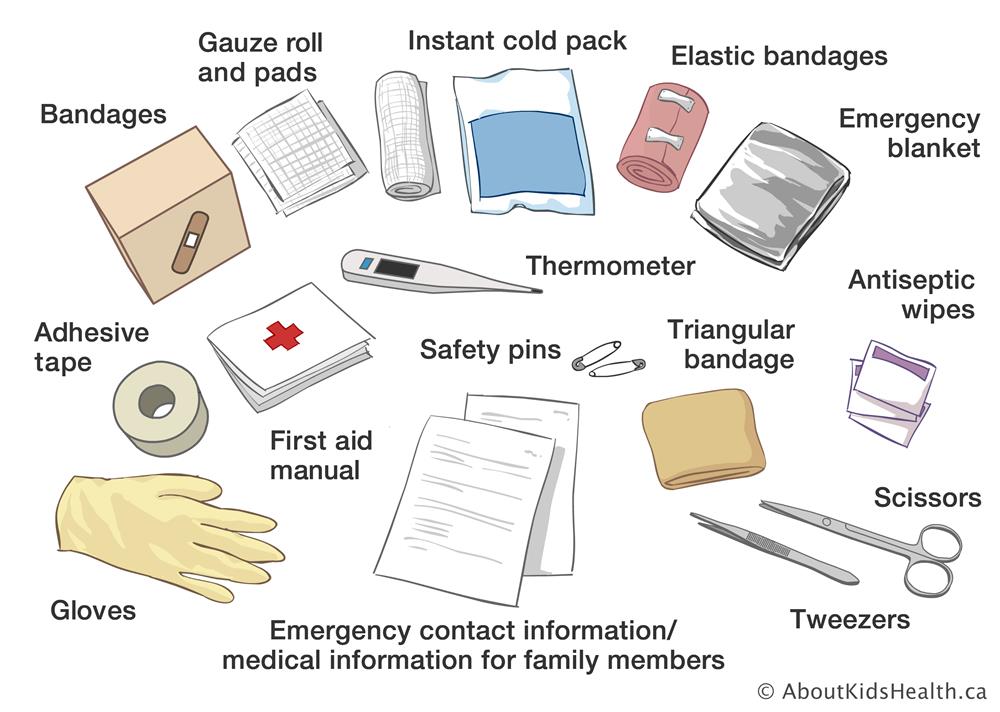
Additional important items are shown here. Wear disposable gloves when encountering blood, saliva, mucous or pus. It is a good idea to keep a flashlight or headlamp in your kit. Know when to call 911 or visit your local Urgent Care Center or Hospital Emergency Department.
Natural First Aid Kit Components
- Arnica gel or cream – Use topically for bruises, sprains and strains. For acute injuries where there is clearly the tearing of bodily tissues resulting in the release of the associated biochemical reactions, studies have shown positive results when using AM (arnica montana) creams and/or AM ingested dilution (oral sublingual homeopathic pellets). If the two are used together the results seems to be more effective.[1]
- Arnica (Arnica Montana 200C) – Arnica pellets are made to dissolve under the tongue, delivering the benefits of arnica: relieving muscle pain and stiffness, as well as reducing pain, swelling and discoloration from bruises. Arnica’s actions may be due to sesquiterpene lactones. According to medicinenet.com, these may reduce the activity of chemicals and blood cells that cause inflammation.
- Ginger – Today, health care professionals may recommend ginger root to help prevent or treat nausea and vomiting from motion sickness. It is also used to treat mild stomach upset. According to a study from PubMed.gov, ginger may act as a novel agent in the prevention and treatment of motion sickness.[2] It is antispasmodic and gas relieving to soothe digestive upsets. In general, DO NOT take more than 4 g of ginger per day, including food sources. Pregnant women should not take more than 1 g per day. For nausea, gas, or indigestion: Some studies have used 1 g of ginger daily, in divided doses. You could ask your natural minded doctor to help find the right dose for you. For pregnancy-induced vomiting: Some studies have used 650 mg to 1 g per day. Ginger is available fresh to grate in tea, probably not the best option for traveling. Also available in capsules, tea bags, ginger ale, (most grocery store ginger ale is artificially flavored and does not have any real ginger in it. The one I posted here available on Amazon is pricey. Check your local natural foods store, Target or Trader Joe’s.) Don’t forget crystalized ginger, tasty and medicinal at the same time. Easy for travel or a first aid kit.
- Smooth Move – this is a Senna combination that successfully works for occasional constipation.[3] It comes in a tea or capsules. Perfect for that irregularity that a lot of people get when traveling.
- Aloe Vera gel – Cooling and healing, aloe vera soothes the inflammation of sunburn, rope burns and common kitchen scalds and burns. Apply externally to the burned area, 3 to 4 times daily as needed. Minor burns may be treated with herbs, but you should never take or apply any herb when you have moderate-to-severe burns. Call for emergency help first. Never apply herbs to an open wound.
- Citronella-based insect repellant – Made with natural plant ingredients, Mosquito Guard Repellent stickers are an option for those with sensitive skin or skin issues such as eczema. Safe for kids, too. Murphy’s Naturals Mosquito repellent balm. Travel/pocket size perfect for a first aid kit, especially for a kit you keep in your car. Pull it out when at the park, sporting events or hiking. It may need to be reapplied after a few hours, especially if you are swimming or sweating. An overview of repellent plant efficacy can be found here.
- Jewelweed Spray – For itch relief from Poison Ivy, Poison Oak, and Poison Sumac. An all around itch remedy. The Jewelweed Plant is commonly used as an antidote for itchy insect bites, stinging nettles, bee stings. Also good for the burn and itch of jellyfish stings. In addition to the ingredient of the jewelweed plant, this also contains soothing aloe vera and witch hazel that will dry up any wet type rash like poison ivy. Because witch hazel has a drying/evaporating effect, apply frequently for best results. Did you know that jewelweed is a plant that often grows near poison ivy and stinging nettles? Very common along creek beds and damp, shady areas. Amazing little nature fact! If you are frequently outdoors in the warm weather, learn to identify poison ivy and other rash inducing plants by purchasing a book, Plant Identification app, or checking the National Park Service site. Be familiar with Jewelweed. In a pinch, you can pick the plant and use for your itching discomfort. Wash skin as best you can with a (preferably biodegradable) towelette to remove plant oils, or in a creek or with your water bottle. Crush the hollow stem to release the “juices” and rub onto the skin.[4]
- Tea Tree Oil – applied directly, this can bring down the swelling of a bite or sting. A good anti-microbial as well, so it can prevent infection if you happen to scratch open your poison ivy blisters. Can also be used as a natural mosquito repellent, although it does have a strong smell. In our house, we have successfully used it for poison ivy. Apply with Q-tip or cotton ball several times a day. Noticeable improvement in 24-48 hours. With its ability to kill certain bacteria, viruses and fungi, it reduces inflammation as well as fights off any infectious foreign invaders so it is good for any minor cuts or scrapes.[5] Also good for athlete’s foot. Helpful for sinus congestion/infection. Put a few drops in the palm of your hand and rub hands together and cup over nose and breathe in or put few drops on a handkerchief and sniff deeply. This multipurpose product is a must have for any first aid kit.
- Peppermint Essential Oil – Can also use tea bags. For upset stomach, gas, bloating and bellyaches. Brew a cup of tea or put 1-2 drops in water. You can also put a few drops on the palm of your hands and massage your belly. Studies have shown it is a safe and effective option for tension headaches.[5] Peppermint is safe but potent smelling, preferably dilute with another oil, keep away from eyes and massage to temples and back of neck.
- Cayenne – If you’re out hiking or camping and get some type of laceration, cayenne is a great herb to have on hand. Keep a few capsules in a pill box or small baggie. Topically, cayenne powder helps stop bleeding rapidly.[6] I’ve read some anecdotal evidence of it being taken internally during heart attacks to increase blood flow and help clear blockage, I have not found any studies on this. However there have been studies that show capsaicin (main component of cayenne), improves dilation of coronary arteries, [6a] among other health benefits as well. It is also a useful remedy to take internally during illness as it is shown to increase blood flow and speed recovery. Do not give it to children.
- Herbal Salve – No first aid kit is complete unless it contains some type of healing salve. I like the ones with an olive oil base rather than petroleum. This blend of calendula, comfrey and lavender is used for the pain, itching and inflammation of dry, scaly skin and burns. Use on blisters and cover with moleskin. A great “boo-boo” ointment. Can use on diaper rash and baby skin irritations too. Since most natural salves contain comfrey, they are required to put a warning on it. Baloney I say. It got a bad rap years ago because a contaminated batch made some people sick. A few studies have shown it might be stressful on the liver if taken internally. Ok, so don’t eat this ointment, duh. Externally it is safe and effective. I even used it on diaper rash when my kids were babies. Better than smearing that petroleum based chemical concoction on your skin. If you’re feeling like a natural homesteader you can easily make your own. Learn how HERE.
- Activated Charcoal – For use in viral gastroenteritis, AKA the stomach bug, food poisoning, traveler’s diarrhea. This coal-black dust is most often found in the form of capsules, and it’s unsurpassed in the home treatment of poisoning and ingestion of toxins, or just dealing with a disturbed stomach in general. Just don’t mix it up with the barbecue charcoal – that stuff is full of chemicals and toxins and should definitely never be consumed. In recent studies on the use of activated charcoal for diarrhea, researchers concluded that it might be able to prevent bacteria and drugs that can cause diarrhea from being absorbed into the body by trapping them on its porous, textured surface.[7] A suitable treatment for diarrhea, the researchers also pointed out that activated charcoal had few side effects, especially in comparison with common antidiarrheal medications.
There is no set dosage for activated charcoal. Recommendations can also vary drastically depending on the product. Following are the most common dosage recommendations. If unsure, check with your doctor. Stomach bugs: 500 to 1,200mg, two to three times per day. Gas and bloating: 1,000mg taken 30 minutes before and after eating meals Diarrhea: 500 to 1,200mg, three to four times per day.[8]





- Rescue Remedy – Rescue remedy can minimize shock, panic, fear and trauma. Rescue Remedy now comes in various forms but the original is a small bottle of drops. For quick relief from the emotional stress of an emergency you can administer four drops to the tongue, but sub-lingually works most efficiently. Repeat as necessary. An effective “chill pill” (drops) in a bottle. It has a very calming effect and can be given not only to an injured person, but to the person administering care who needs to remain serene. One study showed results suggesting that Rescue Remedy may be effective in reducing high levels of situational anxiety.[9] Works great for dogs, too, when they are experiencing stress from thunderstorms, car rides, fireworks, etc.[9a]
- Apis – (Apis Mellifica 30C) is a homeopathic remedy for bites and stings that cause a lot of swelling. If you are one of those sensitive ones where the littlest bug bite makes your leg swell or your eyes puffy, Apis is the remedy for you. According to the National Center for Homeopathy, dissolve 5 pellets under the tongue every hour. Decrease frequency with improvement.[10]
- Echinacea – If you are feeling like you are coming down with something whether traveling or at home, echinacea is your friend. This herb is a powerhouse when taken at the onset of infection, taken for 7-10 days. It has antiviral activity against influenza viruses in vitro and has often been used for colds and flu. It has been found to be as effective as Tamiflu in early treatment of influenza virus infections, without the adverse effects and complications of Tamiflu.[11] It can be purchased as tea, capsules and liquid tinctures. Read your labels and make sure you purchase Echinacea Purpurea, not Echinacea Augustifolia, which will give weaker results. The typical dose is 2 capsules 3 times daily. For liquid drops, take one dropperful up to 5 times daily. Seven to ten days is usually sufficient, but can be taken up to 6 weeks.
- Hydrogen Peroxide – Although there have been reports lately about not using this on wounds due to possible damage to intact healthy skin, many folks still find it helpful to clean cuts and scrapes. After applying to injury it will bubble, then rinse with clean water. Apply a soothing herbal salve after drying. Even if you do not want to use it on your skin, it has lots of uses if you are out camping or traveling to keep items disinfected, whether used in a liquid or spray.[12]

Many of these remedies are multipurpose. This list can be overwhelming, so choose the ones that have dual function that you will administer most often. I hope you will use this as a springboard for more research on your own.
Frequently people will also add to their first aid kit conventional drugs such as Tylenol or Motrin for pain, Benedryl for allergies or itches, Immodium for diarrhea or Senakot for constipation. Keep in mind that natural remedies usually work beautifully for minor, common ailments and injuries. Try to find over the counter drugs without food dyes, preservatives or anything synthetic which can cause digestive issues and other health problems. You can look for these in your local pharmacy or check out Genexa. This is one company I have discovered that sells clean medicine, conventional as well as natural products.
This is not an exhaustive list, but they are the most common and effective items in any natural first aid kit.

Did you enjoy this article? Follow me on Facebook for the latest updates on natural health and wellness!

Sources
https://www.medicalnewstoday.com/articles/322609#possible-uses
blog.outdoorherbavore.com/camp-tips/relief-from-poisonous-plants-while-on-the-trail/
https://www.webmd.com/first-aid/first-aid-tips
https://www.stlukes-stl.com/health-content/medicine/33/000157.htm
https://www.healthline.com/health/arnica-for-bruises
Fischer-Rasmussen W, Kjaer SK, Dahl C, Asping U. Ginger treatment of hyperemesis gravidarum. Eur J Obstet Gynecol Reprod Biol . 1991 Jan 4;38(1):19-24.
Grontved A, Brask T, Kambskard J, Hentzer E. Ginger root against seasickness: a controlled trial on the open sea. Acta Otolaryngol . 1988;105:45-49.
http://www.diyremedies.org/tea-tree-oil-for-sinus-infection/
https://www.healthline.com/health/essential-oils-for-headaches#peppermint-oil
https://naturalhealthcourses.com/2020/05/you-need-bachs-rescue-remedy-in-your-first-aid-kit/
https://www.verywellmind.com/rescue-remedy-89195#dosage-and-preparation
Ernst E. Bach flower remedies: a systematic review of randomized clinical trials. Swiss Med Wkly. 2010;140:w13079. doi:10.4414/smw.2010.13079
Encyclopedia of Natural Medicine. Murray, Michael, N.D. and Pizzorno, Joseph, N.D. Rocklin, CA, Prima Publishing, 1991
https://pubmed.ncbi.nlm.nih.gov/8021893/
Your Family’s Holistic Travel Remedy Kit


 Naturally Renewed
This was so helpful, thank you so much! I appreciate this information not just for myself (especially the jewelweed tip) but also for my medieval book character who’s an herbalist. I’ve been trying to put together an idea of what she’d carry in her ever-present satchel and this list is perfect!
LikeLike