
I have been making and using my own tallow cream for over a year now. Presently I make a Lemongrass/Lavender Balm and also an Unscented balm. At the encouragement of friends and family, I am now making my balm in small batches and selling it! If you are local to Hunterdon county, NJ, it is now available at Kingwood Feed and Mercantile and Modern Love , a unique shop for home and gifts. Additional locations will be posted in the near future.

Tallow, which is rendered beef fat, has been used in skincare for centuries. It offers several potential benefits for the skin. It’s essential to note that while tallow may have certain advantages, it may not be suitable for everyone, particularly those with specific dietary restrictions or ethical concerns. Read on for some potential benefits of tallow skincare.
Because of the chemical composition of tallow, it is the single most compatible ingredient we could rub on our skin and have it actually absorb. I understand if you never heard of this, there may be an “ick” factor to putting beef fat on your skin. It actually has a long history of skincare use (explained at the end of this article) with a huge comeback today in the “clean beauty” movement. This article explains the wonderful benefits of tallow.
Benefits of Tallow skin balm:
Moisturizing: Tallow is rich in fatty acids, including stearic acid and oleic acid, which are similar to the natural oils produced by our skin with similarity to sebum (meaning it soaks in waaaay deep into the layers of the skin.) These fatty acids can help to moisturize and hydrate the skin, potentially reducing dryness and preventing moisture loss.
Skin barrier support: Tallow contains cholesterol and other lipids that can help support the skin’s natural barrier function. A healthy skin barrier is essential for protecting the skin from environmental factors, such as pollution and UV radiation, and preventing moisture loss.
Nutrient-rich: Tallow contains vitamins A, D, E, and K, as well as various minerals. These nutrients can provide nourishment to the skin and help maintain its health and appearance. Many people use tallow to manage symptoms of eczema and psoriasis.
Conjugated Linoleic Acid aka CLA
The Star of the Show: Conjugated Linoleic Acid aka CLA is an essential fatty acid that is responsible for the free flowing of moisture in and out of our cells.
When we don’t have enough of it, our skin will not stay hydrated no matter how much water we drink or lotion we apply.
It also has been shown to help with weight loss, cancer cell reduction and a host of other amazing things you can explore some other time.
But let it be known that only GRASS FED TALLOW contains these high levels of CLA because of the grass diet and sunshine it “consumes” in order to produce it in its fat. Factory-farmed, corn-fed cattle DO NOT contain high levels of CLA, they barely have any at all. (Yes my product is made with grass fed tallow!) It feeds your skin with serious nourishment.
One size fits all. It works for hands, faces, undereyes, you name it. The days of needing an entire cabinet full of skincare products are over!
Non-comedogenic: Tallow is considered non-comedogenic, meaning it is less likely to clog pores and cause acne breakouts compared to some other skincare ingredients. This can make it suitable for individuals with sensitive or acne-prone skin.
Anti-inflammatory properties: It has anti-inflammatory properties and can help soothe irritated or inflamed skin conditions, such as eczema and psoriasis.
Hypoallergenic: Tallow is well-tolerated by most individuals and is less likely to cause allergic reactions compared to some synthetic skincare ingredients.
Sustainability: Tallow is a byproduct of the meat industry, so using it in skincare products can be seen as a way to reduce waste and promote sustainability.
My tallow skin balm is made with grass fed tallow, organic olive oil, pure essential oils of lavender and lemongrass along with vitamin E oil.
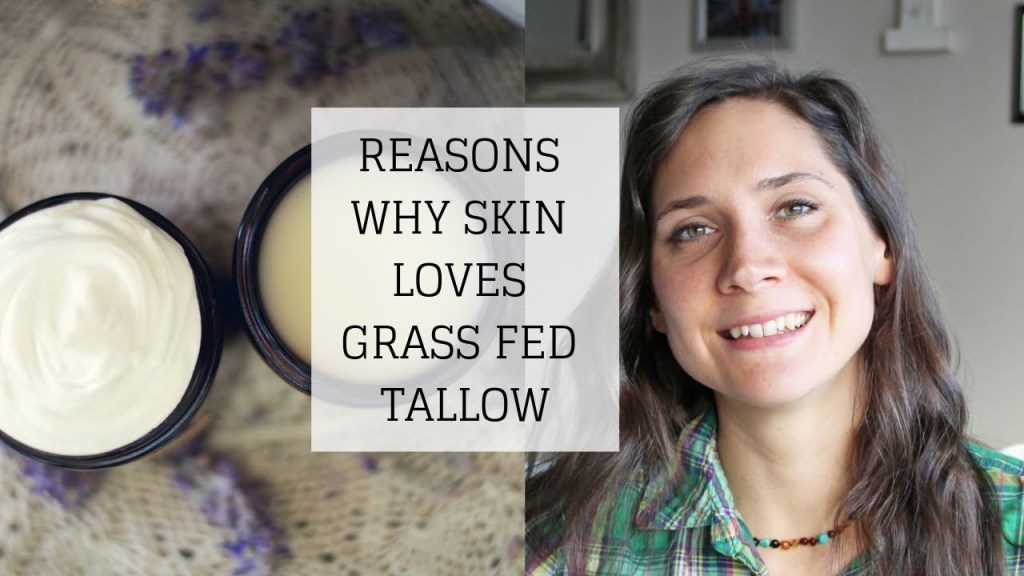
Our skin makes sebum to keep moisturized and protected from harmful microbes. As an animal fat, tallow is very similar to the sebum found on human skin. In fact, the word sebum in Latin translates to tallow! It won’t clog pores so it’s helpful for acne-prone skin, oily skin and breakouts. It is also phenomenal for skin that is dry, itchy or chapped, as well as eczema and psoriasis.
Benefits of these additional natural ingredients:
Olive oil:
This has been used for thousands of years in skin care. It contains antioxidants, including Vitamin E and polyphenols, which help keep the skin moisturized and protected.
Lavender essential oil:
Lavender oil is well-known for its calming and soothing properties. It can help reduce redness, irritation, and itching, making it beneficial for sensitive or inflamed skin.
It contains antioxidants that can help protect the skin from free radicals, which can cause premature aging and skin damage. This may help reduce the appearance of wrinkles and fine lines.
Lavender oil has antibacterial and anti-inflammatory properties, making it useful for treating acne. It can help reduce inflammation, prevent future breakouts and promote clear skin.
May aid in reducing the appearance of scars, including acne scars and small wounds. Its regenerative properties can promote the growth of new skin cells.
It can be used to hydrate and moisturize the skin. When diluted with a carrier oil, it helps prevent dryness and keeps the skin supple.
Balances the skin’s sebum production and promotes a more even skin tone. It can be particularly beneficial for those with oily or combination skin.
Contains natural antiseptic properties, which can help cleanse and disinfect minor cuts, burns, and insect bites.
Reduces Stress-Related Skin Issues as lavender’s relaxing aroma can help reduce stress and anxiety, which can have positive effects on the skin. Stress is known to exacerbate various skin conditions and reducing stress can lead to healthier skin.
Some individuals with eczema or psoriasis find relief from symptoms when using lavender oil. It can help reduce itching, inflammation and discomfort associated with these skin conditions.
Lemongrass essential oil:
Lemongrass oil contains compounds like citronellal and geraniol, which have antibacterial and antifungal properties. This can help in preventing and treating various skin infections.
Lemongrass oil can help tighten the skin’s pores and reduce the appearance of large pores. This astringent property can also be beneficial for those with oily skin.
The antioxidants in lemongrass oil can help neutralize free radicals in the skin. This may aid in preventing premature aging and reducing the appearance of wrinkles and fine lines.
It can be used to tone and refresh the skin. It can promote a more even skin tone and reduce the appearance of blemishes and acne scars.
Due to its pleasant citrus scent and antibacterial properties, lemongrass oil is sometimes used as a natural deodorant or to control body odor.
Some people find relief from skin conditions like acne, eczema, and psoriasis when using lemongrass oil. It can help soothe irritation and reduce inflammation.
While not a direct benefit to the skin, the aromatherapy benefits of lemongrass oil can promote relaxation and reduce stress, which can indirectly benefit the skin by reducing stress-related skin issues.
Vitamin E Oil:
This powerful antioxidant can stop or reverse the damage free radicals cause to cells in our skin. The body stores Vitamin E in the skin in both the outer epidermis and the deeper dermis layers and applying it on the skin means higher protection and reduced inflammation. It also works as a natural preservative in the balm ointment.
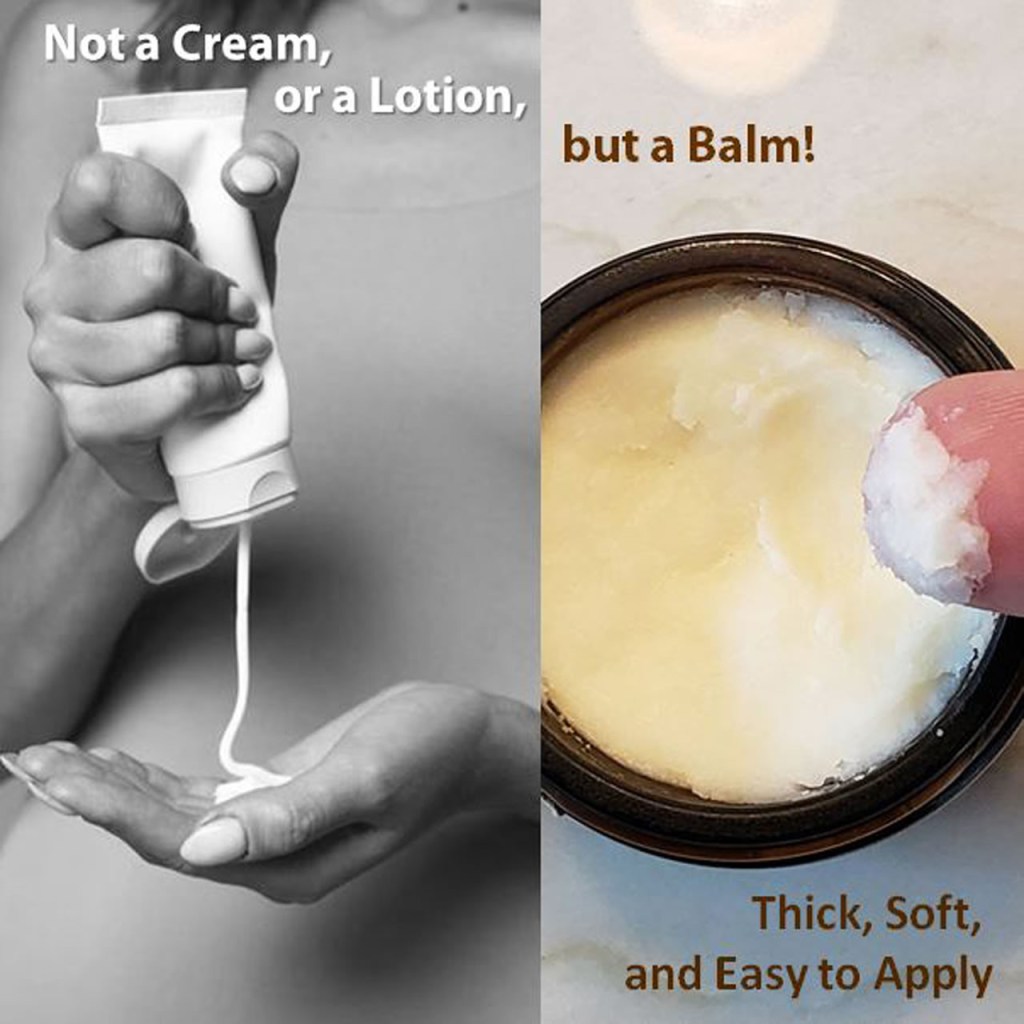
Leave the loads of lotion behind. Just a touch of thick, smooth and spreadable tallow balm will sink into your skin.
Are there any shortcomings to using tallow? Well, maybe:
Tallow is a fat, so of course, it’s a thick ingredient much like shea butter or cocoa butter. If you apply too much to your skin in one area, it’ll take hours to absorb and leave you feeling greasy.
To avoid this, only scoop out a pea-sized amount, warm it in between your palms, then apply along your skin. A pea-sized amount of tallow moisturizer is all you need to cover your entire arm and effectively hydrate your skin! I use as an all body moisturizer, including my face.
Tallow is temperature sensitive. As a solid ingredient that can turn liquid in the heat, if tallow melts, it can separate into fats and liquid.Once cooled, it can then have a grainy, unpleasant texture. To avoid this, keep all tallow-based products out of the heat.
Do not store tallow products in your car in the summer, for example, and keep them stored out of direct sunlight. Refrigeration is NOT needed, however, because tallow is shelf-stable.
All natural ingredients expire. Tallow is one of the longer-lasting, natural ingredients with a substantial shelf-life. It can easily last up to one year at room temperature.

For those of you who are curious: The History of Tallow Use on Skin
*Ancient Civilizations: Ancient Egyptians: Egyptians are known to have used animal fats, including tallow, as a base for their cosmetics and perfumes. They mixed tallow with other natural ingredients to create ointments and creams for moisturizing and protecting the skin.
*Ancient Greeks and Romans: Both ancient Greeks and Romans used tallow as an ingredient in their skincare products. They would blend it with other substances like beeswax and various herbs to create salves and balms for the skin.
*Medieval and Renaissance Periods: During the medieval and Renaissance periods in Europe, tallow continued to be a common ingredient in skincare products. It was often combined with other natural ingredients and used for moisturizing and protecting the skin from harsh weather conditions.
*Traditional and Indigenous Uses: Many indigenous cultures around the world have used animal fats, including tallow, for skincare purposes. These traditions often involved rendering fat from locally available animals and using it to create balms, salves and ointments for skin protection and healing.
*Tallow remained a key ingredient in skincare products during the 19th and early 20th centuries. It was used in various forms, including cold creams and soaps, to moisturize and cleanse the skin.
*Modern Era: In the modern era, the use of tallow in skincare products declined with the development of synthetic and plant-based alternatives. Many people turned to vegetable oils and other ingredients for their skincare needs.
There has been a resurgence of interest in natural and traditional skincare ingredients in recent years. Some individuals and small-scale skincare companies have started to reintroduce tallow-based products as part of the “clean beauty” movement. Check out tallow for yourself. No synthetic garbage on your skin (which gets absorbed into your skin), great absorption, deeply nourishing and restorative, containing simple organic ingredients.
Sources
Journal of Applied Pharmaceutical Science. Beef Tallow: extraction, physicochemical property, fatty acid composition, antioxidant activity, and formulation of lotion bars.
Journal of the American College of Toxicology. Final report on the safety assessment of tallow, tallow glyceride, tallow glycerides, hydrogenated tallow glyceride, and hydrogenated tallow glycerides.
https://www.fda.gov/cosmetics/cosmetics-laws-regulations/prohibited-restricted-ingredients-cosmetics
https://www.sciencedirect.com/science/article/abs/pii/B9780323917407000098.
https://www.ncbi.nlm.nih.gov/pmc/articles/PMC4170112/
draxe.com/nutrition/tallow
https://lpi.oregonstate.edu/mic/health-disease/skin-health/essential-fatty-acids
https://www.byrdie.com/what-is-stearic-acid-5120216
https://www.medicalnewstoday.com/articles/sebum#summary


 Naturally Renewed
Leave a comment