
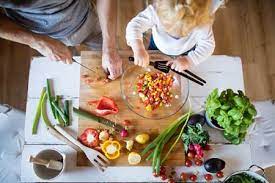
Nutrient-dense eating focuses on consuming foods that provide a high amount of essential nutrients (like vitamins, minerals, fiber, and healthy fats) relative to their calorie content. This approach emphasizes quality over quantity, helping to ensure your body gets the nutrients it needs without excess calories.
Nutrient-dense foods provide a lot of essential nutrients without adding a lot of extra calories. It excludes processed, refined foods and fast food restaurants. In other words, they pack a lot of nutrition into a relatively lower-calorie package.
For example, swapping out a sugary snack for an apple with almond butter is a nutrient-dense choice, as it provides fiber, healthy fats and essential vitamins without excessive empty calories, chemicals, dyes, preservatives or rancid oils.
Examples of nutrient-dense foods include:
Fruits and vegetables: Such as spinach, kale, berries, and apples. Preferably locally grown or organic.
Whole grains: Like quinoa, brown rice, and oats.
Proteins: Including wild caught fish, pastured chicken and pork, grass fed beef.
Nuts and seeds: Such as almonds, walnuts, pecans, pumpkin seeds, chia seeds, and flaxseeds.
Dairy: Like yogurt, milk and cheese. Preferably from grass fed cows.
Eating nutrient-dense foods is a key part of a healthy diet because they help you get the necessary nutrients your body needs to function properly without excessive calorie intake, which can lead to weight gain and other health issues. Grocery store chips, cookies, canned and boxed items are nutrient deficient. Not only that, they usually contain chemicals, dyes and poorly absorbed added synthetic vitamins and minerals. These frequently are highly processed and negatively impact blood sugar and inflammation in the body.
Gradually changing over your pantry to “ingredients” rather than canned or boxed snacks and meals is a great start to improving the food you consume. Do not get overwhelmed and attempt to overhaul things all at once. That is a recipe for failure. Start slow with small changes.
Some resources to get you started in keeping a well stocked pantry for easy meals: melissaknorris, theprairiehomestead and wingingitonthehomestead
Gardening is a great way to consume the freshest, nutrient dense food. If you are not growing/preserving your own, shop at local farmers markets. Another great option is joining a local CSA (Community Supported Agriculture) which is a system that connects consumers directly with local farmers. It’s a subscription-based model where members pay a fee at the beginning of a growing season in exchange for a share of the farm’s produce throughout the season. This arrangement benefits both farmers and consumers by fostering a sense of community, supporting local agriculture, and promoting access to fresh, seasonal, and sustainably grown food. Do a search for “CSA near me”. They are more common than you might think!
I’d rather eat a conventionally grown apple that was grown down the road from me, than an organic one that was picked too soon (which causes loss of nutrients quickly after being harvested), then transported across the country (or from another country!) Many farmers markets also sell local pastured and humanely raised meat, dairy and poultry. Yes, it takes a little time and effort, but the rewards for your health are immeasurable!

Search on eatwild.com and plug in your state to find local healthy food. Or do a google search for local farmers near you.
Are you curious about growing some of your own food, or the latest popularity of “homesteading”?
You can do large or small scale gardening according to the size of your property and your available time commitment.
**To learn more, check out these videos! Even if you have no desire to produce your own food, they are a wealth of educational and fascinating information**
Food, Inc. -An unflattering look inside America’s corporate controlled food industry.
Kiss the Ground-climate crisis, regenerating soil, creating abundant food supplies and more
The Biggest Little Farm-one couple’s story about leaving the city revitalizing a plot of land into a self-sustaining farm
White Oak Pastures Farm (cow farts are not killing the planet)
Polyface Farm-a rebel farmer in Virginia with global influence promoting change toward regenerative farming practices for healthier people and the planet
Urban Homestead-self sufficient life in a small city lot
Homesteading Family-practical knowledge for health and self-sufficiency
From Scratch Farmstead-easy and simple guidance on preparing nutrient dense food. My “go to” for uncomplicated, healthy, quick meals and snacks!
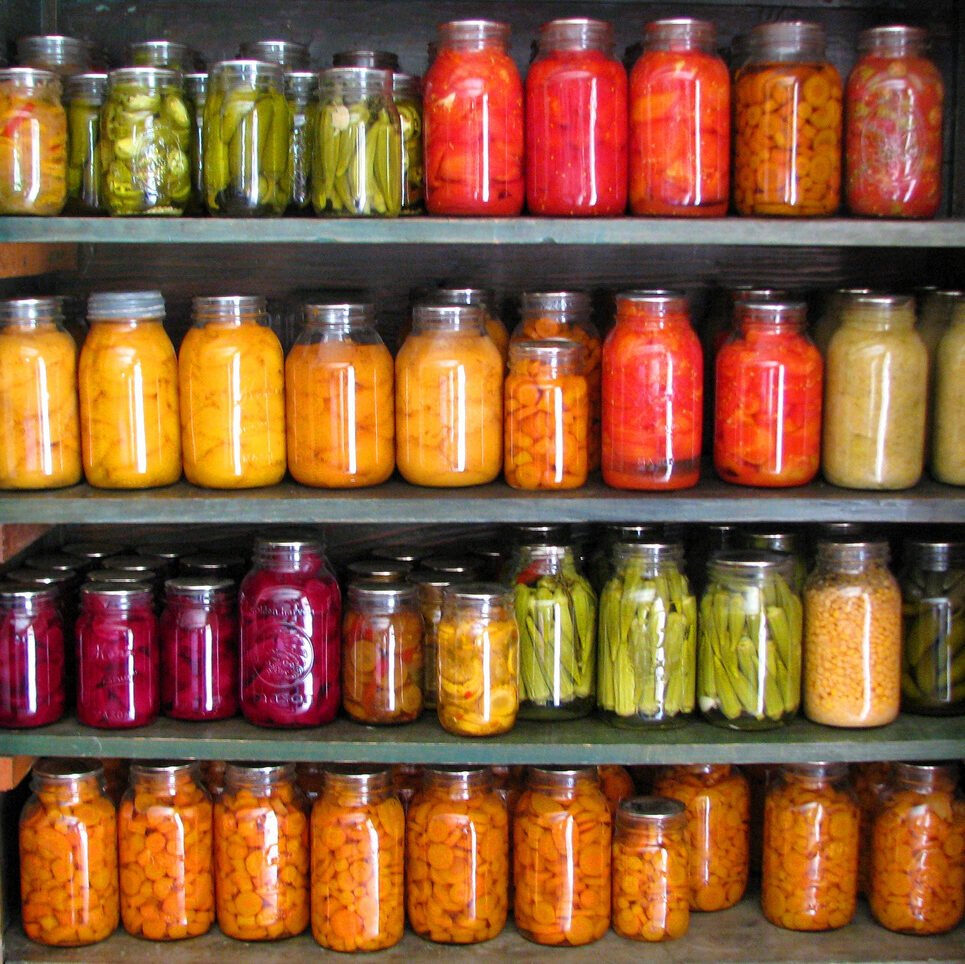
Gardening and preserving food promotes healthier living, reduces dependency on the grocery store and contributes to environmental sustainability. If you have no desire or ability to grow food, shop local farmers markets!
Gardening and preserving food are valuable practices for several reasons:
Self-Sustainability: Growing your own food in a garden allows you to become more self-sufficient. You rely less on grocery stores and external food supplies, especially for fresh produce.
Health Benefits: Homegrown and locally grown fruits and vegetables are fresher and more nutritious than store-bought ones, as they can be picked at peak ripeness and consumed immediately. When I grow things myself, I know what fertilizer I use and I do not spray with chemicals. Produce today can be sketchy when it comes to where it was grown. Many supermarkets sell produce that has been picked too early so it can be shipped for hundreds of miles which decreases the nutrient content and flavor. Read the little stickers on your produce. (see below)
Cost Savings: Producing your own food can save money in the long run, especially if you have a productive garden. It reduces the need to purchase expensive organic produce or specialty items. You don’t have to spend a lot of money to garden. Check out the resources below. Gardens can be as simple or elaborate as you’d like. Save seeds from your vegetables and you will not need to buy for the next year. Gardening can be frugal!
Environmental Impact: Gardening can be environmentally friendly. It reduces the carbon footprint associated with transporting food long distances and often involves less pesticide and herbicide use compared to large-scale agriculture.
Preservation: Preserving food allows you to store excess harvests for later use, ensuring that you have access to nutritious food throughout the year. Methods like canning, freezing, and drying can extend the shelf life of perishable items.
Food Security: Having a well-maintained garden and preserved food provides a buffer against food shortages or disruptions in supply chains, which can be especially valuable during emergencies or times of economic instability.

Yes there are times when pharmaceuticals are life saving. But improving the quality of your food now can prevent certain ailments and diseases later. An ounce of prevention is worth a pound of cure.
Once you learn about conventional farming practices, whether it be for meat, poultry, dairy or fruits and vegetables, you will be convinced to grow your own or shop local farms. As I stated above, it takes a little time and effort, but the health benefits are large and long lasting.
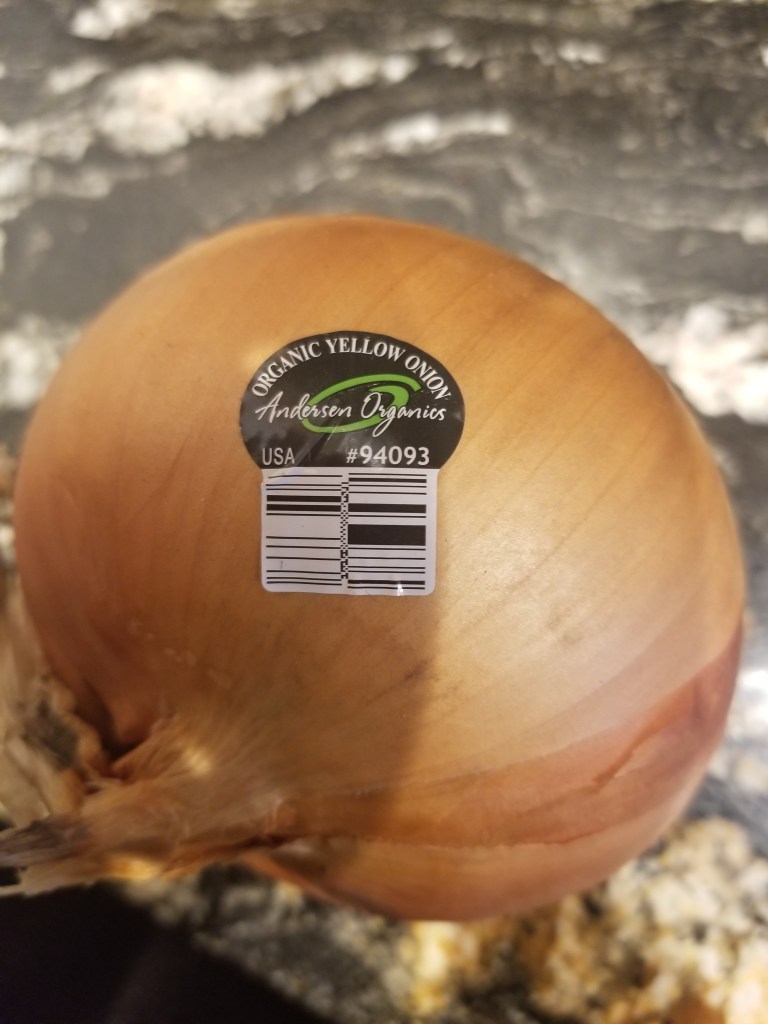
A 4-digit code starting with the numbe 3 or 4 means conventionally grown, (chemical fertilizers and insecticides), while a 5-digit one starting with 9 means organic, (no toxic spraying), and a 5-digit code starting with 8 means genetically modified.
Organic foods contain higher levels of certain nutrients, lower levels of pesticides, and provides health benefits for the consumer as well as being better for the planet. [1] [2]
Did you know that broccoli was twice as nutritious 50 years ago? Read HERE as a functional medicine MD explains why.
By choosing local foods, you’re not only improving your diet but also supporting sustainable practices that benefit your community and the planet. You are what you eat, because really, who wants to be fake, synthetic and toxic?.
.Sources
https://foodrevolution.org/blog/why-buy-local-food
https://www.thespruceeats.com/what-is-a-locavore-5118259
https://www.canr.msu.edu/news/what_are_the_physical_and_mental_benefits_of_gardening
https://www.canr.msu.edu/news/7_benefits_of_eating_local_foods
https://www.mooringspark.org/news/the-benefits-of-a-nutrient-dense-diet
https://www.canr.msu.edu/news/principles_and_benefits_of_community_supported_agriculture
goodfoods.coop/what-local-means-when-it-comes-to-meat
thriftyhomesteader.com/a-beginners-guide-to-gardening


 Naturally Renewed
Leave a comment