
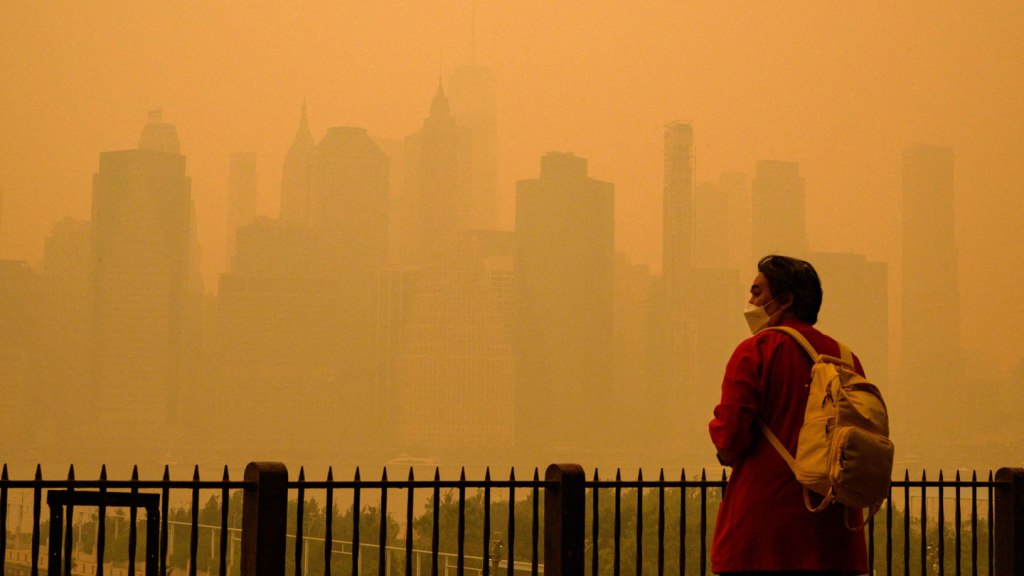
People with moderate to severe asthma, chronic obstructive pulmonary disease (COPD) and other respiratory risk factors are in the practice of checking air quality warnings before heading outside. But wildfire smoke is another menace itself.
This article is geared toward staying safe during wildfire smoke, but it is also beneficial for exposure to any air pollution, smog, smoke filled cigarette or cigar locations. “It’s important to stay indoors and close all windows to reduce exposure to smoke from wildfires, or even if your AQI (air quality index) is high. It’s also essential to stay away from any windows that may not have a good seal, in order to minimize any potential exposure to smoke,” says Robert Glatter, MD, editor-at-large for Medscape Emergency Medicine and an emergency medicine doctor at Lenox Hill Hospital/Northwell Health in New York City.
Presently in January 2025, Los Angeles is experiencing wildfires. Aside from the dangers of the actual fires, dangerous smoke can travel many miles and affect millions of people. In the summer of 2023, Canada had some crazy wildfires where the smoke traveled all the way to Europe and the Eastern USA, where I live. It was incredibly eerie to be outside and see the entire sky a yellow/orange smoggy, dark scene. Unbelievable how we could smell the smoke from so far away. Our air quality was poor. Many of us were daily checking the AQI.
AQI forecasts heavily depend on temperatures, precipitation, wind, and cloud cover. Weather influences the creation of pollution and its transport. The AQI forecasts enhance human health by helping residents avoid risks from air pollution.
An air quality alert is issued when measured or forecasted air quality conditions are greater than 101 on the index. An air quality alert means current or forecasted conditions can be harmful to those who are sensitive to air pollution, including:
*people with lung or heart disease.
*older people.
*children.
*people exerting themselves in prolonged, heavy activities.
Monitor your symptoms and contact your doctor or go to your local ER/urgent care if you see any increase in concerning symptoms. These include shortness of breath, coughing, chest tightness, or wheezing. Also make sure you take recommended medications (such as an inhaler) and have enough on hand.

What can you do?
- Mullein – mullein leaf is a superstar when it comes to lung health. Mullein is a wonderful plant for sore throats and irritated bronchi. A tea of the leaves is best employed early in the symptoms of lung distress. It acts as an expectorant, helping to clear mucus from the lungs and ease breathing. It soothes the respiratory tract due to its mucilage content, making it useful for conditions like coughs, colds, bronchitis, and asthma. The liquid tincture is fine, this can be purchased at most natural health stores and online. Basic dosing for adults is 1 teaspoon three times daily. What would be more beneficial is to make an “infusion” with loose mullein leaves, again you can purchase online at amazon or most herb shops. To make an infusion, boil 4 cups of water and pour over 1 ounce of dried mullein leaves. Let sit for 20 minutes or more and sip throughout the day. Overnight would be even better for a stronger brew. Add honey to taste if desired. Mullein leaf is also an excellent anti-inflammatory and anti-microbial. It soothes discomfort in irritated tissues.
- Milk – Milk’s impact on lung health is a topic of some debate, and its effects can vary depending on individual circumstances. Some people feel that milk increases mucus production in the throat, leading to discomfort during respiratory illnesses. However, research shows that milk doesn’t directly increase mucus production—it may simply mix with existing mucus, making it feel thicker. If you are ok with dairy, whole organic milk can coat and soothe the throat and has great nutrients of calcium, vitamin D and protein which are important for overall health, including maintaining strong respiratory muscles. If you are not comfortable with this, skip it.
- Reishi and Cordyceps mushrooms – Reishi contains compounds like triterpenes and polysaccharides, which reduce inflammation in the respiratory tract and may help with conditions like asthma or chronic bronchitis. It has a calming effect, which can improve breathing in people experiencing stress or anxiety-related respiratory symptoms. Cordyceps is known to increase the production of ATP (adenosine triphosphate), enhancing energy and oxygen use in cells. This can improve lung efficiency and stamina, particularly beneficial for athletes or those with respiratory challenges. Cordyceps may act as a natural bronchodilator, helping open airways and ease breathing in conditions like asthma or COPD. It comes in capsules, teas or tinctures. Follow package recommendations.
- Slippery Elm – The key active component of slippery elm powder is mucilage, a gel-like substance that becomes slippery when mixed with water. This mucilage coats and soothes irritated tissues, offering several health benefits. It coats the throat and airways, reducing irritation caused by coughing, sore throat, or bronchial inflammation. It provides a protective barrier over the mucous membranes, which can help calm inflamed or irritated tissues in the lungs. It can help suppress dry, hacking coughs, may help loosen and expel mucus making it easier to clear the airways. Tea/Infusion: Steep 1 Tablespoon of powdered slippery elm bark in 8 ounces of hot water to make a soothing tea for coughs or throat irritation. You’ll probably need to add a little honey. Not gonna lie, tastes a bit like sawdust but you’re drinking medicine not a fancy cocktail. This tea is also incredibly soothing to the stomach if there is heartburn or acid reflux. Slippery elm lozenges are available and are convenient for relieving throat and airway irritation. The powdered form can also be mixed with juice or added to smoothies for lung and digestive support.
The above recommendations have been noted to be safe for children ages 2 and above. Always check with a qualified healthcare provider that is familiar with natural remedies. Read the sources below for more information. To learn about dosing see HERE.
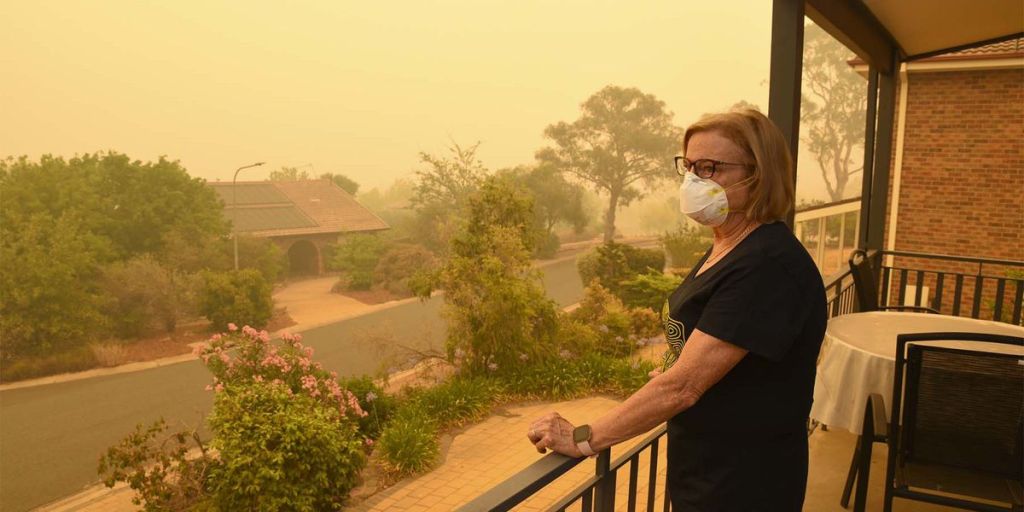
What else? A humidifier for dry indoor air. Air purifier or even just a filter in front of a box fan. Seal in air gaps that might be letting smoke inside. If you are using central air, turn it off unless you have ample new filters or if you smell more smoke when it’s on. If you’re near a fire don’t wait to be told to make a plan, gather your most important items & make a plan well before one is needed. And keep your eye on the AQI.
Sources
https://www.theherbalistspath.com/blog/respiratory-herbs-for-wildfire-smoke
https://www.mayoclinic.org/diseases-conditions/common-cold/expert-answers/phlegm/faq-20058015
https://pmc.ncbi.nlm.nih.gov/articles/PMC7125542/
blog.hirschorganic.com/the-benefits-of-mushrooms-for-children
mtwholehealth.com/favorite-herbs-for-kids


 Naturally Renewed
Leave a comment