

Integrated healthcare incorporates the elements of natural medicine, “alternative” and “complementary,” into a treatment plan alongside conventional/allopathic methods of diagnosis and treatment.
Conventional medicine is outstanding when it comes to surgery, emergency and trauma. But alternative medicine typically can work just as well or maybe even better for chronic degenerative diseases and common ailments, as they are implemented in conjunction with or instead of, conventional modalities.
Alternative medicine has a lot to offer. Our government’s NIH (National Institutes for Health) now has a department called the National Center for Complementary and Integrative Health [1]. Although this is exciting news, federal funds are not being allocated enough for varied comprehensive studies. The text book Alternative Medicine: the definitive guide, is a great resource for those looking for exhaustive, professional research. This book is concise and comprehensive, a wealth of information for healthcare advocates.
An integrated approach combining the best of conventional and complementary methods is an effective therapeutic and economical choice for many people.
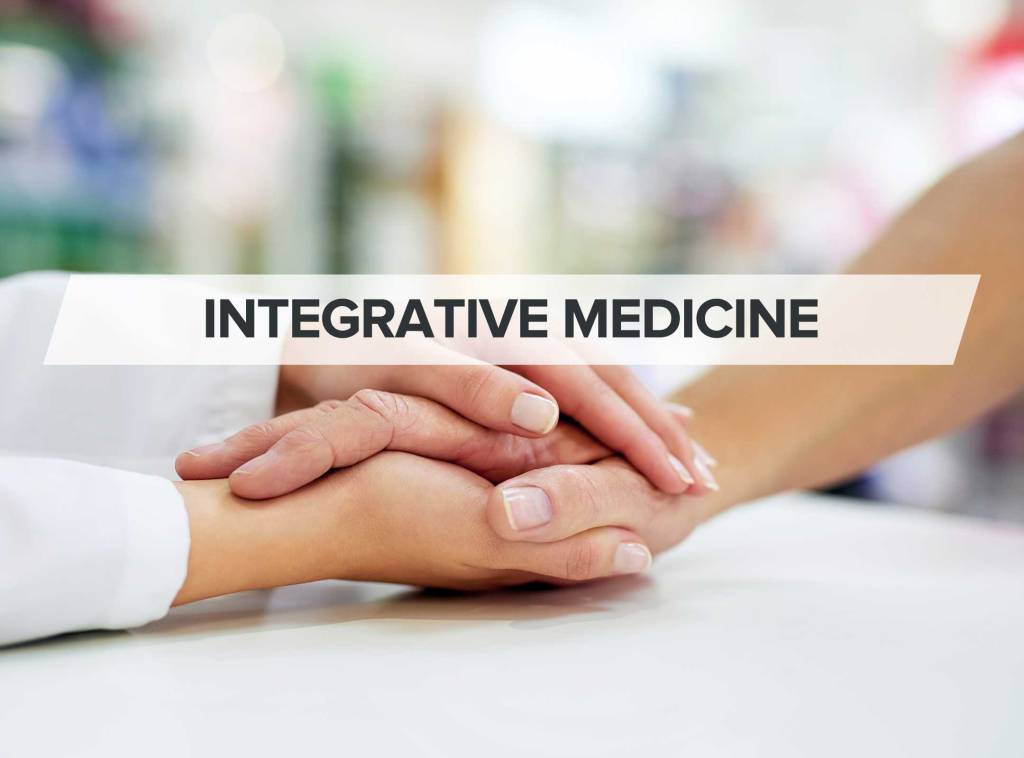
Many alternative methods work by assisting your own body to heal itself.
Disease usually appears as a local symptom, but it is always related to the entire system. Mainstream doctors today have become very specialized, which can have great advantages. Myself and many of my family members and friends have benefited from them. However, along with the specialization of medicine has come the falling away of treating the whole person. Treating the whole person does so much more to curing the disease than just focusing on the symptom.
I have worked as an RN for 40 years and I am well versed in allopathic healthcare. The Chinese have a saying about the wisdom of “walking on both feet,” which means using the best of Eastern and Western modalities. There is no single approach that works for all people, or with all conditions. This goes for alternative medicine as well.
Doctors are very educated in their field. Most enjoy teaching and sharing their knowledge with you. Unfortunately many doctors in America today have not been trained in non-conventional methods of healing. Many are starting to take an interest, and they are acquiring new and cutting-edge approaches to therapeutic treatments. Educate yourself about the general principles of alternative health care. Find a practitioner who is approachable and treats you as an individual with honest, open-minded conversation.
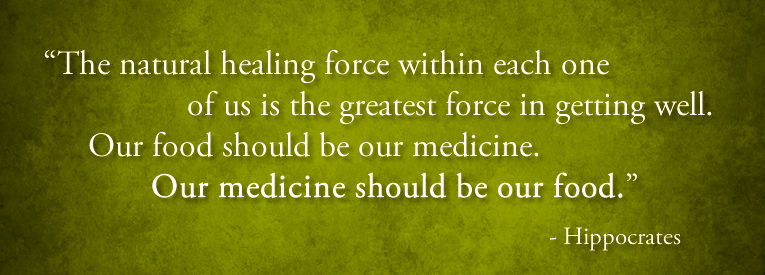
Let us look forward to a “Health Age”, a time of wellness and freedom from disease. It can arise as alternative medicine permeates and invigorates Western/conventional/allopathic medicine. This is in hopeful expectations of physicians no longer viewing themselves simply as rescuers of their patients when illness occurs, but as daily providers of their well-being. Of course this means full participation of the patient (us!) to make the health changes necessary to be well. This takes education, time and dedication.
Progress in the field of complementary and alternative medicine is frustratingly slow. This is due, in part, to practitioners who lack preliminary data beyond patient testimonials. Slow progress may also be attributed to limited financial resources and inadequate research capacity. One of the organizations doing something about this is the Foundation for Alternative and Integrative Medicine. [2] FAIM provides a service to the field by assisting researchers and practitioners in collecting outcome data.
This research could lead the way towards real breakthroughs in world health. FAIM is eager to collaborate with groups within and outside the U.S. who have the research capacity and interest in advancing investigations of non-toxic, innovative, and cost-effective therapies for conditions with a large public health impact.
Sources
Alternative Medicine, The Definitive Guide, Future Medicine Publishing, Inc. Tiburon, CA 1997
Encyclopedia of Natural Medicine, Prima Publishing, Rocklin, CA 1991
Eisenberg, D.M., “Unconventional Medicine in the United States: Prevalence, costs, and patterns of use.” New England Journal of Medicine 328 (Jan, 1993)
https://www.futuremedicine.com/


 Naturally Renewed
Leave a comment