

Nearly everyone knows that sun exposure raises vitamin D levels in your body, but how many of these other profoundly important benefits are you aware of?
Health care officials’ recommendations to avoid sun exposure unless you’re slathered in sunscreen have deprived humans of their fundamental need for sunlight.
Nobody wants to get skin cancer, but we’ve gone from sun worship to sun dread. The relationship between sun exposure and skin cancer risk isn’t as straightforward as you might think. Genes are a factor, of course: Some protect, some promote. So is skin type: People with pale skin who sunburn easily and don’t tan are more likely to get sun-related skin cancer. As for exposure, the “dose” and its timing are crucial. Several studies have suggested that suddenly getting a lot of sun is more dangerous then steady exposure over time.
Dr. Robert S. Stern, chair of the Department of Dermatology at Harvard-affiliated Beth Israel Deaconess Medical Center , calls them “solar-phobes”: people so concerned about getting skin cancer that they stay inside or cover every bit of skin. “They cover up like they were going out into the Arabian Desert ,” he says. The marketing of ultrablocking sunscreens and special sun-protective clothing plays into these fears.
There’s no getting around the fact that sunlight is hard on your skin. Age gets blamed for wrinkles and rough, dry skin. But the real culprit is a combination of age and sun that dermatologists call photoaging. The short UVB wavelengths that cause sunburn can also damage DNA and suppress the skin’s immune system. The longer, more penetrating UVA wavelengths may create highly reactive oxygen molecules capable of damaging skin cell membranes and the DNA inside.
The same DNA-damaging, sunburn-causing UVB wavelengths that sunscreens are designed to block also do some good: They kick off the chemical and metabolic chain reaction that produces vitamin D. Research shows that many people have low vitamin D levels. There is a well-documented relationship between low vitamin D levels and poor bone health. Links now have been made to everything from multiple sclerosis to prostate cancer. “Linking” low vitamin D with these diseases doesn’t prove cause-and-effect, but it suggests that possibility. Getting some sun may also shake off the wintertime blues: Research suggests that light hitting your skin, not just your eyes, helps reverse seasonal affective disorder (SAD). Moreover, being outside gets us golfing, gardening, walking, biking and engaging in other types of physical activity.
Nobody wants to get skin cancer, but we’ve gone from sun worship to sun dread. Dr. Stern and others say there is a middle way that includes using a sunscreen with a sun protection factor (SPF) of at least 15 when you’re outside for an extended period and wearing a hat and shirt around midday. So when summer’s here, get outside and enjoy it. Continue reading on how gradual sun exposure on bare skin can be a safe way to get the healthy benefits of sunshine.
Benefits of Sunshine on Your Bare Skin
*Nitric oxide is produced in response to UVA and this leads to vasodilation, there are also beta endorphins produced in your skin when it’s exposed to UVA and UVB.
*Exposure to UV light has benefits to the immune system, it affects cellular differentiation and can improve wound healing.
*Outdoor workers have been found to have a decreased risk of melanoma skin cancer compared to indoor workers; consumption of linoleic acid from seed oils may increase your risk of sunburn and skin cancer. More on that later.
*The key to gaining the benefits of sunlight while minimizing the risk of sunburn is to gradually build up what Paul Saladino MD, host of Fundamental Health Podcast, refers to as your solar callus. “Sunlight, real sunlight, is essential for optimal human life. You cannot be an optimal human without … adequate levels of real outdoor ultraviolet infrared visible spectrum light from the sun in the sky when you are not wearing sunscreens.” It’s been a critical part of our evolution throughout our existence,” he states.
Sunlight Benefits: Vitamin D and More
*Vitamin D – Your skin produces vitamin D in response to sun exposure which is another sign that it’s beneficial. Vitamin D helps your ability to fight infections, as well as chronic inflammation, and produces over 200 antimicrobial peptides (AMPs), one of which is “cathelicidin”, a naturally occurring broad-spectrum antibiotic. This peptide is made by immune cells and skin and gut cells, which act as a barrier to infection. [1] A wealth of data also shows that vitamin D levels are strongly connected to the severity of covid-19. [2]
*Inflammation/oxidative stress – During the day, if you get proper sun exposure, near-infrared rays from the sun penetrate deep into your body and activate cytochrome c oxidase, which in turn stimulates the production of melatonin inside your mitochondria. Your mitochondria produce ATP, the energy currency of your body. A byproduct of this ATP production is the creation of reactive oxidative species (ROS), which are responsible for oxidative stress and free radicals. Whew, how about that!? Basically, excessive oxidation damages the cells, contributing to inflammation and chronic health conditions such as diabetes, obesity and thrombosis (blood clots). Melatonin mops up that ROS which damages that mitochondria. So by getting plenty of sun exposure during the day, your mitochondria will be bathed in melatonin, thereby reducing oxidative stress.[3]
*Gut Health – Sunlight may affect your microbiome! Exposure to full spectrum light yields the most benefits. One type of the full spectrum light includes narrow bank ultraviolet B, or NB-UVB, which has been known to regulate the intestinal microbiome.[4] This shows that a skin-gut connection may exist and that it is directed by sunlight.
*Mental Health – Getting some sun may also shake off the wintertime blues: Research suggests that light hitting your skin, not just your eyes, helps reverse seasonal affective disorder (SAD). Moreover, being outside gets us walking, gardening, and engaging in other types of physical activity.

Melanoma is Not Always a Sun-Associated Cancer
Melanoma is considered to be the deadliest form of skin cancer. Data does not support the common thought that it’s solely caused by sunlight. There was a study done by the NIH (National Institute for Health) which looked at outdoor workers and skin cancer risk. They had more UV exposure during work and leisure time and less sunscreen use compared to indoor workers. No significant associations were found for melanoma.[5] Also, in a review published in The Lancet, it was noted that outdoor workers have been found to have a decreased risk of melanoma compared to indoor workers. Is it possible that safe, chronic sunlight exposure can have a protective effect?
Interestingly, while some melanomas do form on areas of the skin exposed to sunlight, others form on areas that rarely see the sun. These observations suggest that melanoma arises from multiple pathways, with initiating and promoting factors differing for each.[6]
Clearly, getting burned when you were a kid is a bad thing. But is melanoma truly a sun-associated cancer? Dr. Saladino does not think so.
Melanoma Linked to Linoleic Acid
Saladino points out a study from 1987,[7] during which samples of fat tissue were taken from 100 melanoma patients and 100 people without melanoma and analyzed for fatty acids.
Not only is there an increase in linoleic acid in the tissue of all the subjects, but the percentage of polyunsaturated fatty acids (PUFAs) is significantly higher in the melanoma patients’ tissue. “The suggestion is made that increased consumption of dietary polyunsaturates may have a contributory effect in the cause of melanoma,” the researchers concluded.
Linoleic acid is the primary fat found in omega-6 polyunsaturated fats, including vegetable/seed oils such as soybean, corn, safflower, grape seed, margarine, crisco, canola and anything labeled “vegetable oil”. These oils are processed with extreme high heat and chemicals. It accounts for about 80% of the fat composition of vegetable oils. Omega-6 fats must be balanced with omega-3 fats in order to not be harmful, but most Americans don’t eat that way.
Most of the omega-6 people eat, including seed oils, have been damaged and oxidized through processing. Once oxidized, it generates oxidized linoleic acid metabolites, which are mutagenic, carcinogenic, cytotoxic and atherogenic and inflammatory.[8] According to Saladino:
“Is it possible that increased linoleic acid consumption could be causing fragility to cell membranes and that could be leading to oxidative damage in the sun leading to DNA damage and then more melanocytic nevi precursor lesions or melanoma or could the same thing be happening with squamous and basal?
I would say yes. It’s not supported by literature yet because there haven’t been any studies looking at this. We need many more studies with linoleic acid … I have major concerns that linoleic acid found in seed oils is one of the biggest drivers of chronic disease in humans.”
Linoleic acid is found in virtually every processed food, including restaurant foods, sauces and salad dressings, so eliminating these foods in your diet is another stepping stone to good health. Restaurants/fast food establishments are the worst offenders. Especially if you are eating anything that has been deep fried. Linoleic acid is the major (90%) polyunsaturated fatty acid (PUFA) in American diets. Another big offender is convenience foods. Read your labels on things such as granola bars, chips, cookies.
Today, we don’t just have a simple problem of too much PUFA. We have a complicated problem: too much PUFA in total, and way too much Omega-6, but actually a deficiency of Omega-3s. Our ancestral diets, the ones we evolved to live on, contained Omega-6 and Omega-3 PUFA in a ratio between 4:1 and 1:1. Our modern diets have Omega-6 and Omega-3 PUFA in a ratio closer to 10:1, or even higher. In general, a high ratio of Omega-6 to Omega-3 is pro-inflammatory.
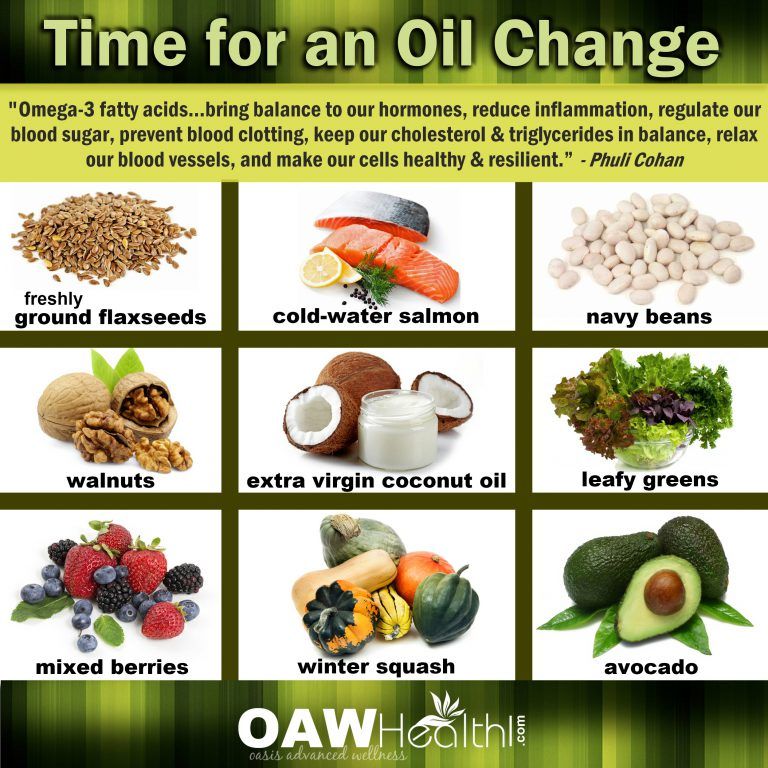
A high ratio of Omega-6 to Omega-3 is pro-inflammatory, just like too much total PUFA. An imbalance of Omega-6 to Omega-3 harms gut health and may be involved in problems as apparently unrelated as depression, chronic stress, skin cancer, chronic pain, autism spectrum disorders, inflammatory bowel disease, rheumatoid arthritis, liver disease and cardiovascular disease. “Heart-healthy” canola oil just adds more total PUFA, from sources high in Omega-6 and low in Omega-3. That’s the opposite of what we need.
Build Up Your Solar Callus
The key to gaining the benefits of sunlight while minimizing the risk of sunburn is not to use sunscreen, which typically contains endocrine-disrupting chemicals. Instead, build up your “solar callus”.[9]
If you are light skinned, cover up, get a small amount of sun exposure, develop your solar callus … get that UVA and UVB into the different layers of your skin. Get that UVB-producing melanin gradually dark.
If you’re going to be out in the sun too long to safely be without burning based on your relative amount of melanin in your skin, then cover yourself.
Be aware, however, that your diet also plays a significant role in your tendency for sunburn. High intake of linoleic acid raises your risk for sunburn, while eliminating seed oils from your diet will dramatically reduce your risk of sunburn and skin cancer, as susceptibility to UV radiation damage is controlled by the level of PUFAs in your diet.
It’s almost like a dial. The PUFAs control how rapidly your skin burns, and how rapidly you develop skin cancer.
Eat Your Sunscreen
There seems to be an underlying idea that sun exposure = skin cancer and that sunscreen = protection from skin cancer. But the research doesn’t back this up. In fact, it may suggest the opposite. Think about this: Skin cancer rates are rising despite more sunscreen use and reduced sun exposure in recent decades.
Science backs up this approach. A 2016 review in the journal Dermato-Endocrinology concluded that while prevention of skin cancer is important, being afraid of the sun isn’t a good answer. From their findings:
This review considers the studies that have shown a wide range health benefits from sun/UV exposure. Insufficient sun exposure is linked to various types of cancer, cardiovascular disease, Alzheimer disease/dementia, myopia and macular degeneration, diabetes and multiple sclerosis. The message of sun avoidance must be changed to acceptance of non-burning sun exposure sufficient to achieve serum vitamin D [25(OH)D] concentration of 30 ng/mL or higher in the sunny season and the general benefits of UV exposure beyond those of vitamin D. [10]
This is the reason I don’t avoid the sun, but rather make a point to get sun exposure every day. I also avoid sunscreen for the most part, and just get out of the sun or cover up when I have had enough sun exposure for the day. You can support healthy skin and protect it from ultraviolet damage from the inside. Scientists have identified several nutrients that have UV protective activity, reducing your risk of sunburn and related skin damage.
Consider the following for sun protection from the inside out:
- Real food diet with enough good fats – focus on a diet high in micronutrients from vegetables, omega-3’s, fat soluble vitamins (vitamin A, D, E, K) from fish, plant and animal sources. Cod liver oil is great if you do not eat fish. If you do a google search on anti-inflammatory diet/mediterranean diet, you will find lots of guidance. Avoid processed foods/convenience foods which contain those icky oils I mentioned above, as well as avoiding sugar and excess refined grains.
- Astaxanthin – Astaxanthin in capsule form is one of nature’s most potent antioxidants. It has been shown to offer significant protection against UV radiation damage by acting as internal sunscreen. It has very strong free radical scavenging activity that protects your cells, organs and body tissues from oxidative damage. Astaxanthin is produced by the microalgae Haematococcus pluvialis when its water supply dries up, forcing it to protect itself from ultraviolet radiation. Astaxanthin is essentially the algae’s survival mechanism. It is this “radiation shield” that explains how astaxanthin can protect you from similar radiation, thereby helping prevent skin photo-aging and wrinkles. For general skin health and protection against the sun, a daily dose of 4 mg is likely sufficient, although if you’re an outdoorsman or athlete who exercises outdoors on a regular basis, you may want to consider a dose between 8 mg and 12 mg/day, at which you’ll also start reaping benefits in exercise performance and recovery.
- Lycopene and Beta Carotene – Lycopene also acts as an internal sunscreen, although it’s not quite as protective as astaxanthin. A study published in 2001 found tomato paste helped protect fair-skinned individuals with a tendency to burn rather than tan. [11] Tomatoes derive their rich color from carotenoids–beta-carotene, lutein, and especially lycopene. The last of these is an especially potent antioxidant, able to quench biologically damaging free radicals. These molecular fragments are created by natural processes, disease, and a number of environmental insults–including overexposure to the sun. There is, however, a trick to absorbing potentially therapeutic concentrations of lycopene, according to work by Wilhelm Stahl, a nutritional biochemist, and his colleagues at Heinrich Heine University in Düsseldorf, Germany. Four years ago, they demonstrated that tomatoes really first need to be cooked, then eaten along with something fatty, such as olive oil. Who knew?! You can simply add 2+ Tablespoons of tomato paste to your daily diet by eating it plain or on toast, rice or pasta. Add in some good quality cold-pressed olive oil for added absorption. A 2008 systematic review of feeding studies evaluating the effectiveness of beta carotene for the protection against sunburn concluded that: beta-carotene supplementation protects against sunburn, with the duration of consumption having a significant influence on the effective results.[12]
- Vitamin D – Optimizing your vitamin D through sensible sun exposure can also help protect against many internal cancers, the death tolls of which are far greater than melanoma. Vitamin D is also crucial for the prevention of many chronic diseases, and has been shown to be an important criteria for longevity.
- Vitamin E – Another vitamin that helps prevent sun-related skin damage is vitamin E, especially when combined with vitamin C.[13] Food sources are best: sunflower seeds, almonds, peanut butter and wheat germ oil. Avoid synthetic vitamin E supplements as they’ve been shown to have toxic effects in higher amounts over the long term. If you opt for a supplement, find one that is balanced and all natural.
- Green tea – The antioxidant epigallocatechin gallate (EGCG), found in green tea, has also been shown to prevent genetic damage in skin cells exposed to UV radiation. The study, published in The Journal of Nutrition in 2011, found women who drank a beverage with green tea polyphenols (total catechin content 1,402 mg) reduced their risk of sunburn compared to controls. [14]

There was a study done on women in the Journal of Internal Medicine in July 2014, concluding that the avoidance of sun exposure is a risk factor for all-cause mortality. Following sun exposure advice that is very restrictive in countries with low solar intensity might in fact be harmful to women’s health.
Safe Sunscreens
There are two main kinds of sunscreen: chemical and mineral. Chemical sunscreen uses chemicals to block UVA and UVB rays, while mineral sunscreen uses physical barriers in the form of minerals like zinc oxide or titanium dioxide, which are not totally healthy either, but better than the toxic soup of chemical lotions and sprays. I won’t get into all the specific chemicals to avoid, you can research that if you desire. It is quite extensive! To learn more, check out this incredibly educating podcast with Dr. Elizabeth Plourde, a Clinical Laboratory Scientist and the author of “Sunscreens Biohazard 2: Proof of Toxicity Keeps Piling Up”
The EWG (Environmental Working Group) lists some mineral sunscreens that are safe:
Badger Mineral Sunscreen
Babyganics Sunscreen or spray sunscreen (Fragrance free and tear free, also claims to be water-resistant and UVA and UVB protective)
Thinkbaby Safe Sunscreen
Thinksport Sunscreen
Blue Lizard Australian Sunscreen
Babo Botanicals Clear Zinc Sunscreen (if you’ve avoided mineral sunscreen in the past because it makes you white as a ghost, try this!)
California Baby Hypoallergenic Sunscreen (claims to be water-resistant and sun protective for 80 minutes)
JASON Mineral Sunscreen
Sunology Natural Sunscreen
Earth Mama Lady Face Tinted Mineral Sunscreen Stick
Raw Elements Sunscreen
Avoid sunscreens with nano particles. Especially the spray-on type. Most nanoscale particles (microscopic particles measuring less than 100 nanometers) found in American sunscreens are either titanium dioxide or zinc oxide. While these two are the only ingredients known to be safe, this safety does not extend to nano-sized versions. Animal research has shown that inhaled nanoparticles can reach all areas of your respiratory tract and, since your lungs have difficulty clearing small particles, they may be allowed to pass into your bloodstream. Other studies have proven some nanoparticles are even able to cross your blood-brain barrier. Read your labels!
Sunscreen isn’t the end-all-be-all to sun protection. Optimizing health so the body can protect itself with mild exposure to the sun is important. Protect yourself inside with good food and/or supplements. Protect yourself on the outside with natural sunscreens, slowly build up your “solar callus”, stay out of the sun midday when the sun is at its peak, wear a hat and lightweight protective clothing to stay cool and to avoid excessive sun exposure and sunburn.
What About Sunglasses?
We love our sunglasses! Whether for fashion or function, is it ok to wear them all the time?
The pros:
1.We can see better in the sun. They protect us from the glare of the sun. On very sunny days, some people will get a headache or migraine without them.
2. One of the reasons to wear sunglasses is that they protect us from harmful UV rays, which are present in strong sunlight as well as when the sun is not so bright. So that is a good reason to wear the sunglasses on overcast or cloudy days. The sun may damage the following parts of the eye:
Retina: Some studies have made a connection between exposure to UV light and macular degeneration, which can lead to blindness.
Whites of eyes: If the conjunctiva, the thin membrane which covers the whites of eyes is damaged by the sun so that it thickens, your eyes will be inflamed and irritated, and your vision will be disturbed.
Lens: UV light damage can lead to cataract development, i.e. cloudiness on eye lens which will lead to vision problems. So for better eye health, we should wear sunglasses in the sun.
Iris: People who have blue eyes definitely should wear sunglasses as blue eyes are more susceptible for UV light damage.
Cornea: Even the cornea can be acutely sunburned, which can cause serious pain and sometimes temporary blindness.
3. They protect from glare such as from the snow when skiing, or if you are near water or boating.
4. Sunglasses protect the skin around the eyes. The skin around the eyes is thin and also sensitive so wearing sunglasses can help prevent “crows feet” and premature wrinkles around the eyes.
5. They protect you from photophobia. There are some individuals who suffer from a condition known as ‘photophobia’. This condition does not allow them to look at bright light or low light. Their eyes begin to water, they get migraines and sometimes start sneezing too. So people who are adversely affected by sunlight or artificial light, have to keep wearing sunglasses all the time, even at night.
The cons:
- Your eyes need beneficial sunlight. Avoid wearing sunglasses during all the daylight hours, as it will block the beneficial wavelength of light rays from reaching the eyes. Sunlight provides nutrition to the eyes, and maintains several processes in the brain. Sunlight falling on the eyes and other parts of the body regulates the sleep hormones, leading to good sleep patterns.
- Sunglasses can make your eyes less adaptable to darkness and light. If you keep wearing sunglasses day and night, you will lose your ability to adapt to different light conditions. Just as we lose function of the parts of our body when we don’t use them, so also our eyes lose their flexibility.
- You may suffer from eye fatigue. Our eyes are designed in a way that it needs interaction with sunlight. We are not meant to cover them for long periods of time. While wearing sunglasses, eyes are forced to actually work harder, due to the ‘tint’ of the glasses. When the eyes are under constant stress, they will experience eye fatigue. Sunglasses which do not have the right UV protection are actually worse than no sunglasses. This is because our eyes are a very sensitive organ, and open up even wider than normal, thus allowing more UV light to affect the eyes.
Best type of sunglasses:
*Look for the ones which offer UV400 or 99-100% UV absorption. This means that the sunglasses will block both UVA as well as UVB sunrays
*Dark lenses are not necessarily better esp. if they don’t have UV protection
*Sunglasses made out of ground glass is better as they don’t distort vision, rather than those made out of pressed plastic which causes vision distortion when you look right or left
*Choose larger frames and wraparound styles (esp. if you are skiing or surfing), as they offer more protection from UV rays
Read HERE for information specific to children and sunglasses.

A good pair of sunglasses, worn to protect the eyes from strong sunlight for a few hours is probably the best way to wear sunglasses, without creating an adverse effect on our eyes.
Just as it is important for you to be protected from too much sun, you should also make sure that you get enough to enjoy the health benefits of sunlight. Follow these tips and find the right balance to maintain optimal levels of vitamin D and other benefits of sunshine. Enjoy the mental health benefits of a sunny day as well, without placing yourself at risk. See you at the beach!

Sources
https://www.ncbi.nlm.nih.gov/pmc/articles/PMC8541492/
https://pubmed.ncbi.nlm.nih.gov/20219323/
https://www.jdsjournal.com/article/S0923-1811(97)00058-3/fulltext
https://www.health.harvard.edu/diseases-and-conditions/benefits-of-moderate-sun-exposure
https://pubmed.ncbi.nlm.nih.gov/22974219/
https://www.ncbi.nlm.nih.gov/pmc/articles/PMC3887421/
https://www.ncbi.nlm.nih.gov/pmc/articles/PMC3335257/
https://pubmed.ncbi.nlm.nih.gov/3110746/
https://onlinelibrary.wiley.com/doi/full/10.1111/joim.12251
https://www.sciencedirect.com/science/article/pii/S1011134415300713
https://www.jdsjournal.com/article/S0923-1811(02)00063-4/fulltext
https://www.allaboutvision.com/sunglasses/faq/is-it-harmful-to-wear-sunglasses-all-the-time/
https://www.webmd.com/eye-health/sunglasses-protect-eyes


 Naturally Renewed
Leave a comment