

Often called a silent killer since it often doesn’t have outward symptoms until later stages. Hypertension, or high blood pressure, affects nearly one out of four Americans. Incorporating natural therapies into your lifestyle can provide an effective way of preventing or reducing hypertension.
Approximately 60 million Americans, two-thirds of whom are under 65 years old, suffer from hypertension, indicating that this condition is not an inevitable result of aging but rather a condtion affected by a number of risk factors which includes: smoking, obesity, stress, excessive alcohol consumption, and a diet high in fats and salt. Stress and a sedentary lifestyle are major factors. In the USA, over 90 percent of people are diagnosed with “essential” or primary, hypertension, which means no specific cause except most likely the aforementioned habits. The other 10 percent experience hypertension secondary to another disease. This blog will address the most common type, essential hypertension.
Conventional Treatment
In addition to measuring your blood pressure at your yearly checkup, your doctor will ask about your medical history (whether you’ve had heart problems before), assess your risk factors (whether you smoke, have high cholesterol, diabetes, etc.), and talk about your family history (whether any members of your family have had high blood pressure or heart disease).
Your doctor will also conduct a physical exam. As part of this exam, they may use a stethoscope to listen to your heart for any abnormal sounds or “murmurs” that could indicate a problem with the valves of the heart. Your doctor will also listen for a whooshing or swishing sound that could indicate your arteries are blocked. Your doctor may also check the pulses in your arm and ankle to determine if they are weak or even absent.
If you’re diagnosed with high blood pressure, your doctor may recommend other tests, such as:
Electrocardiogram (EKG or ECG): A test that measures the electrical activity, rate, and rhythm of your heartbeat via electrodes attached to your arms, legs, and chest. The results are recorded on graph paper.
Echocardiogram: This is a test that uses ultrasound waves to provide pictures of the heart’s valves and chambers so the pumping action of the heart can be studied and measurement of the chambers and wall thickness of the heart can be made.
Tests may be ordered by your health care provider to check for causes of high blood pressure and to assess any organ damage from high blood pressure or its treatment. These tests may include the following:
Blood tests, including measurement of electrolytes, blood urea nitrogen, and creatinine levels (to assess kidney involvement)
Lipid profile for levels of various kinds of cholesterol
Special tests for hormones of the adrenal gland or thyroid gland
Urine tests for electrolytes and hormones
A noninvasive, painless eye examination with an ophthalmoscope will look for ocular damage
Ultrasound of the kidneys, CT scan of the abdomen, or both, to assess damage or enlargement of the kidneys and adrenal glands
Most doctors will take a multi-faceted approach if you are diagnosed with primary/essential hypertension, which includes diet changes: typically the DASH diet, exercise: at least 30 minutes daily of aerobics such as walking, and medication. [1]
Diuretics are often recommended as the first line of therapy for most people who have high blood pressure.
However, your doctor may start a medicine other than a diuretic as the first line of therapy if you have certain medical problems. For example, ACE inhibitors are often a choice for people with diabetes. If one drug doesn’t work or is disagreeable, additional medications or alternative medications may be recommended.
If your blood pressure is more than 20/10 points higher than it should be, your doctor may consider starting you on two drugs or placing you on a combination drug.
After starting high blood pressure drug therapy, you should see your doctor at least once a month until the blood pressure goal is reached. Once or twice a year your doctor may check the level of potassium in your blood (diuretics can lower this and ACE inhibitors and ARBs may increase this) and other electrolytes and BUN/creatinine levels (to check the health of the kidneys).
After the blood pressure goal is reached, you should continue to see your doctor every three to six months, depending on whether or not you have other diseases.
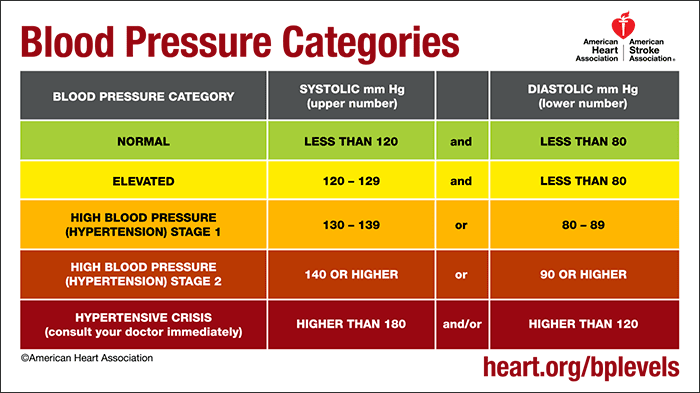
Natural Treatments
If you are one of the many individuals struggling to lower your blood pressure, research suggests that there are several at-home treatments you can use to improve your numbers without medication.
Some of the most effective treatments for lowering blood pressure include supplementing your diet with herbs and other nutrients, eating healthier, maintaining a healthy weight, and managing stress.
- Diet – As stated in the High Blood Sugar blog post, there are different types of diets that may be beneficial for improved health. Without reiterating here, please review recommendations there, you can also research the DASH diet as stated above. Foods high in Potassium and Magnesium are especially important to control blood pressure, while decreasing excessive sodium found in processed and pre-packaged foods. Try to make as many meals at home as possible.
- Potassium – Increasing your potassium intake and cutting back on salt can lower your blood pressure. [2] Potassium is a double winner: It lessens the effects of salt in your system, and also eases tension in your blood vessels. However, diets rich in potassium may be harmful to individuals with kidney disease, so talk to your doctor before increasing your potassium intake. It’s easy to eat more potassium — so many foods are naturally high in potassium. Here are a few: low-fat dairy foods, such as milk and yogurt, fish, fruits, such as bananas, apricots, avocados, and orange vegetables, such as sweet potatoes, potatoes, tomatoes, greens, and spinach. The RDA for potassium is 4700mg. My guess is that most people are not getting half that amount. Keep track of the potassium content of your food. If you notice you are consistently below RDA recommendations, consider an electrolyte powder such as Dr. Berg’s. One scoop gives you 1000 mg of potassium along with 120 mg of Magnesium, another important electrolyte for healthy blood pressure. No sugar added, so it is safe for anyone with blood sugar issues.
- Magnesium – Another very important mineral for blood pressure regulation. The RDA is 420mg for adults. Studies show that as much as 3 times that amount may be needed by the general population and especially by those predisposed to cardiac disease states. [3] Considering our soils are so depleted in magnesium, most people are probably low. Along with low intake, many folks have habits that actually deplete magnesium levels, such as caffeine, sugar, alcohol and stress, to name a few.[4] A Harvard study with over 70,000 people found that those with the highest magnesium intake had the healthiest blood pressure numbers. A follow-up of available studies showed a dose-dependent reduction of blood pressure with magnesium supplementation. That’s not all — a University of Minnesota study found that the risk for hypertension was 70 percent lower in women with adequate/high magnesium levels. If you suffer from tension headaches, anxiety, asthma, occasional benign heart palpitations, constipation, muscle cramps/spasms or eye twitches, among many other issues, you may be starting to show signs of low magnesium. Dr. Carolyn Dean, M.D., N.D., is a doctor who has done extensive research on magnesium. I highly recommend reading up on her studies. (She sells her own brand but I find it to be expensive. The one I have suggested here is the same product at half the price.) Magnesium chloride and magnesium citrate are the better absorbed magnesiums. If you take the above suggested product of Dr. Berg’s electrolyte powder, it contains 120 mg per serving of magnesium. Personal story: I suffered with heart palpitations (PVC’s) and elevated blood pressure for months. After every cardiac test available showed I have a healthy heart, and medication being unsuccessful, I did my own homework. I now daily take Dr. Berg’s powder twice daily and an ionic magnesium twice daily to bring my supplemental potassium intake to 2000 mg daily and my supplemental magnesium daily total to 640 mg. I actually started off with 1000-1200mg of magnesium daily for a few weeks and backed off to a dosage that works for me. I am now palpitation free and almost completely weaned off my beta-blocker as I consult with my cardiologist. There is no official dosage data for all people. Do your research, use critical thinking and try it out. If too much magnesium is taken, for a person with no other diseases, typically the worst side effect is loose stools. To view a 5 minute interview with Dr. Dean on magnesium, you can watch this short video.
- Hawthorn – According to Mark Pedersen, a research chemist who specializes in herbal chemistry, folk medicine holds hawthorn berries in high esteem for its effectiveness in treating both high and low blood pressure, rapid pulse and arrhythmic heartbeat, as a prophylactic against angina pain and in atherosclerosis. Claims of digitalis-like activity are apparently unfounded. Instead, the active principles appear to be the flavonoids which slowly act on circulatory and cardiac problems by causing dilation of the blood vessels, especially the coronary arteries, and by causing some reduction in blood pressure. It increases vascular activity, dilates blood vessels and improves the tone of the heart itself. It does not appear to be cardio-toxic and seems to have no cumulative effect.[5] Typical dosing is 1-3 gm per day.
- CoQ10 (Ubiquinol) – a naturally occurring antioxidant chemical made by your body and stored in the mitochondria of your cells. CoQ10 is an antioxidant that exists in almost every cell of the human body. CoQ10 deficiency is associated with various medical conditions, such as heart disease, cancer, and Alzheimer’s disease. It has a wide range of health benefits. One research study concludes that coenzyme Q10 has the potential in hypertensive patients to lower systolic blood pressure by up to 17 mm Hg and diastolic blood pressure by up to 10 mm Hg without significant side effects. [6] Experts do not recommend CoQ10 for people taking blood-thinning medications, insulin, or certain chemotherapy drugs. Standard doses range from 60 mg to 500 mg daily. A 2018 randomized trial compared the effects of 200 mg daily doses of ubiquinone and ubiquinol supplements on CoQ10 levels in older men. Ubiquinol supplementation led to a 1.5-fold increase in the amount of CoQ10 in the blood.[7] Also note of interest, taking statins decreases CoQ10 in the body. Studies have shown supplementation to decrease the muscle pain that is frequently a side effect of statins.[8]

David Hoffmann, FNIMH, AHG, has been a clinical medical herbalist since 1979. A Fellow of Britain’s National Institute of Medical Herbalists, he is one of the founding members of the American Herbalists Guild and the author of 17 books. He teaches herbal medicine throughout the English-speaking world and lives in California. He states, “A clove of GARLIC a day will help considerably in preventing or reversing the effects of high blood pressure. For optimum results, garlic should be eaten raw.” Luckily it is also available in pill form!
- Apple Cider Vinegar – here we are again with good old ACV. There have been some studies[9],[10] as well as quite a bit of anecdotal evidence[11] of the blood pressure lowering effects of ACV. It appears that the acetic acid is responsible for the antihypertensive effects of vinegar. So it is a triple winner with lowering blood pressure, blood sugar and cholesterol. As with most remedies, there is no “one size fits all” dose. The amount of apple cider vinegar needed to reduce blood pressure varies greatly. Some people experience success with just a couple of teaspoons a day. Others have taken up to 3 Tablespoons twice a day to reduce blood pressure.
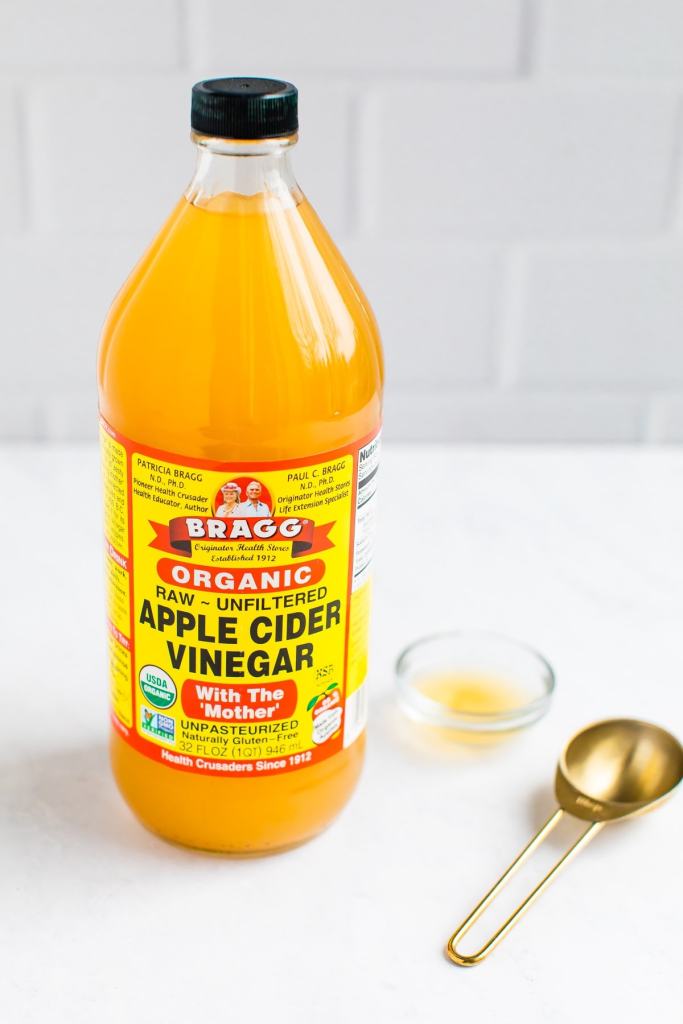
According to earthclinic.com, the key with ACV is to start with a lower dose and increase it slowly. This way you can monitor your own body’s reaction to apple cider vinegar and make sure you are not experiencing side effects.
You might try to start out with 1 teaspoon in a glass of water 1-3 times a day. If this helps, great. Continue with this dose. If you are not seeing results, increase to two teaspoons in a glass of water a couple of times a day. If apple cider vinegar agrees with you but your blood pressure is not decreasing, try a tablespoon of apple cider vinegar in a glass of water twice a day.
- Drinks[12] – for lowering blood pressure. Interestingly, most of these recommended juices/drinks are high in potassium!
Other therapies you may be interested in researching: essential oils, specifically Ylang ylang[13] and lavender.[14]

Incorporating essential oils into your regimen:
Mix them into a fragrance-free body lotion
Add a few drops of essential oil to a carrier oil — such as coconut oil or sweet almond oil — and Use the mixture in a massage
Add the oils to a diffuser or oil burner
Sprinkle a few drops into a warm bath
Inhaling the scent directly from the bottle
Also consider acupuncture, accupressure, reflexology, massage, meditation and prayer. I recommend you investigate all modalities. If you are reading this page, you are likely interested in natural approaches to lowering blood pressure. I have listed the most common holistic approaches. There are many. I hope you continue to research and apply the proper method that works for you.
Take home message
High blood pressure affects a large proportion of the world’s population.
While drugs are one way to treat the condition, there are many other natural techniques, including eating certain foods that can help.
Read more about foods that help lower blood pressure here.
Controlling your blood pressure through the methods in this article may, ultimately, help you lower your risk of heart disease.
The best way to prevent complications and avoid problems is to catch hypertension early. You can come into your doctor’s office for a blood pressure reading, or your doctor may ask you to purchase a blood pressure cuff and take readings at home.
Keep a log of your blood pressure readings and take it to your regular doctor appointments. This can help your doctor see any possible problems before the condition advances.
Sources
Controlling High Blood Pressure Without Drugs. Charles Bennett, M.D. New York: Doubleday Books, 1984
https://www.ncbi.nlm.nih.gov/pmc/articles/PMC5786912/
http://www.nutritionalmagnesium.org/correcting-magnesium-deficiencies-may-prolong-life/
High Blood Pressure. Chaitow, Leon. San Francisco, CA: Thorsons, 1988
https://www.medicalnewstoday.com/articles/322191#symptoms
https://www.healthline.com/nutrition/coenzyme-q10#TOC_TITLE_HDR_1
https://pubmed.ncbi.nlm.nih.gov/12428181/
https://www.pharmanord.com/us-research
https://www.sciencedirect.com/science/article/abs/pii/S2212958817301106


 Naturally Renewed
Leave a comment