
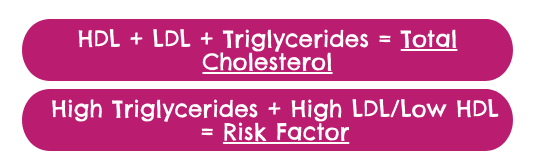
Cholesterol is a waxy substance found in your blood and in your cells. Your liver makes most of the cholesterol in your body. The rest comes from foods you eat. Cholesterol travels in your blood bundled up in packets called lipoproteins.
Cholesterol and triglycerides are different types of lipids, or fats, that circulate in your blood.
- Triglycerides store unused calories and provide your body with energy.
- Cholesterol is used to build cells and certain hormones.
Low-density lipoprotein (LDL) is the “bad,” unhealthy kind of cholesterol. LDL cholesterol can build up in your arteries and form fatty, waxy deposits called plaques.
High-density lipoprotein (HDL) is the “good,” healthy kind of cholesterol. It transports excess cholesterol out of your arteries to your liver, which removes it from your body.
High cholesterol levels, especially elevated LDL levels, have become a central health concern – though whether or not that particular focus on our health is entirely well-founded is now up for debate. There have been studies done finding that elderly populations with high cholesterol live the longest.[1] A systematic review published in 2016 found that people over 60 years old who have high LDL cholesterol live as long or longer than people with low LDL. The researchers suggest reevaluating the guidelines for heart disease prevention in older adults. [2]
Excessively high numbers can contribute to heart disease, but there are also other theories pointing to causes of heart disease such as: inflammation, insulin levels and sugar consumption. Probably one of the main causes of unhealthy levels are poor diet and lack of exercise. According to a review in the Journal of the American College of Cardiology, a mediterranean diet is recommended for heart health. [3]
Cholesterol itself isn’t bad. Your body needs some cholesterol to make hormones, vitamin D, and digestive fluids. Cholesterol also helps your organs function properly. According to the CDC the following numbers are above normal limits.

Blood Levels That May Lead to Diagnosis
- Total cholesterol is over 200 mg/dL (milligrams per deciliter)
- LDL cholesterol is over 100 mg/dL
- HDL cholesterol is under 60 mg/dL
- Triglycerides are over 150 mg/dL2
Conventional medical advice is typically lifestyle changes and sometimes a statin prescription medication. Statins can lower the levels of Co-Q-10 in your body. In a study published in the American Journal of Cardiology, researchers indicate that using CoQ10 supplements seemed to decrease the muscle breakdown, pain, and discomfort of people taking statins. [4]
Healthy lifestyle choices are key:
- Exercise regularly. Aim for at least 30 minutes of physical activity on most or all days of the week. Regular exercise can lower triglycerides and boost “good” cholesterol. Try to incorporate more physical activity into your daily tasks — for example, climb the stairs at work or take a walk during breaks.
- Avoid sugar and refined carbohydrates. Simple carbohydrates, such as sugar and foods made with white flour or fructose, can increase triglycerides.
- Lose weight. If you have mild to moderate hypertriglyceridemia, focus on cutting calories. Extra calories are converted to triglycerides and stored as fat. Reducing your calories will reduce triglycerides.
- Choose healthier fats. Trade saturated fat found in meats for healthier fat found in plants, such as olive and flaxseed oils. Instead of red meat, try fish high in omega-3 fatty acids — such as mackerel or salmon. Avoid trans fats or foods with hydrogenated oils or fats.
- Limit how much alcohol you drink. Alcohol is high in calories and sugar and has a particularly potent effect on triglycerides. If you have severe hypertriglyceridemia, avoid drinking any alcohol.
In addition to lifestyle changes such as following a Mediterranean diet and getting exercise, people looking to try a natural supplement may research the following successful products:
- Red Yeast Rice – one of the constituents of red yeast rice is monacolins, which possess “HMG-CoA”, that is commonly known as a statin. Red yeast rice extract naturally contains lovastatin, (an HMG-CoA reductase inhibitor for lowering cholesterol). The lovastatin in the extract has the same chemical make-up as Mevacor, a cholesterol-lowering drug (statin) first developed by the drug company Merck.[5a] It is recommended to add Co-Q-10 as well if you decide to take Red Yeast Rice, since statins, prescription or natural, can decrease levels of Co-Q-10 in the body as stated above.
- Fish oil – regular supplementation with fish oil improved biomarkers of cardiovascular and cerebrovascular function. [5] Taking fish oil supplements on a daily basis have been known to lower harmful LDL according to the Mayo Clinic.
- Apple Cider Vinegar – there have been some scientific research and studies [6],[7], showing evidence of ACV’s cholesterol lowering properties.
Keeping an eye on your cholesterol level with recommended blood tests, as well as making lifestyle changes, will lower your risk for heart disease and help improve your overall quality of life.
Sources
https://pubmed.ncbi.nlm.nih.gov/174993470
https://www.livescience.com/54151-triglycerides.html
http://ravnskov.nj/2015/12/20/the-benefits-of-high
Roth, Eli M., MD, Good Cholesterol, Bad Cholesterol, Prima Publishers, 1993
Whitaker, Julian M., MD, Reversing Heart Disease, New York: Warner Books, 1985


 Naturally Renewed
Leave a comment